The Future Takes Root: First Genetically Optimal Trees Planted in Living Seedbank
by Babette Weatherell |
The end of the summer saw some major strides for the Big Scrub Rainforest Conservancy’s Living Seedbank Plantation as plans emerged from the drawing board and out into the field.
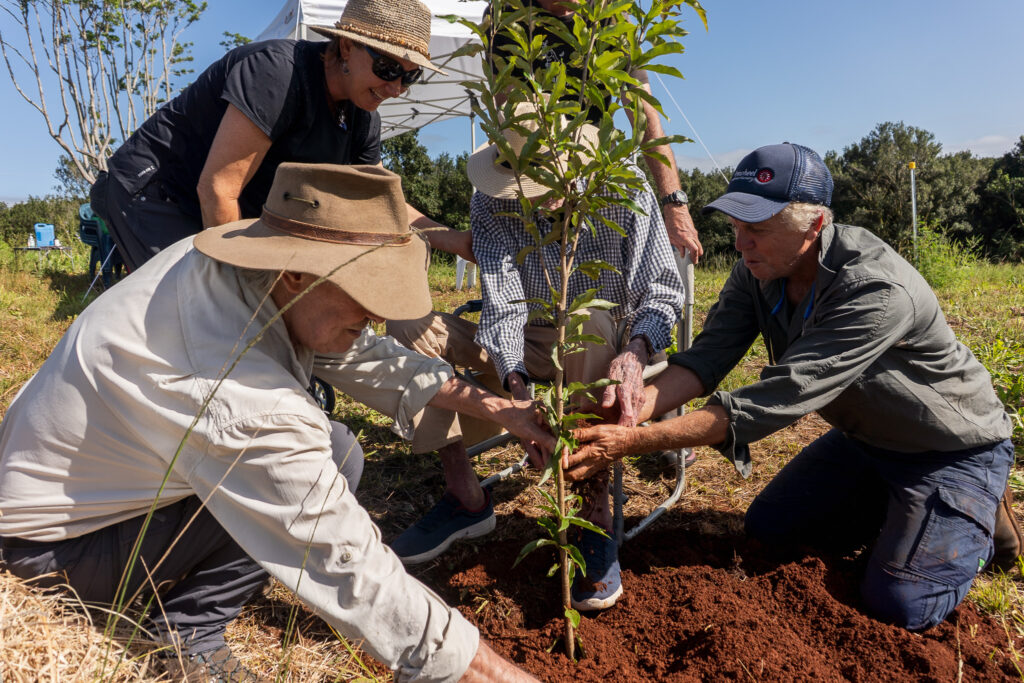
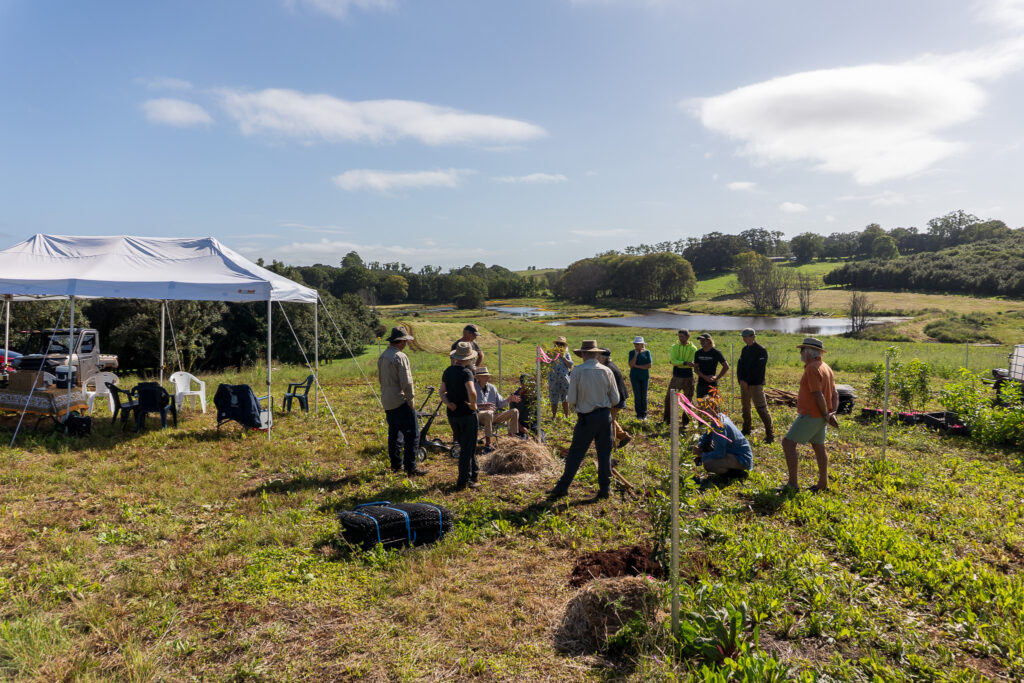
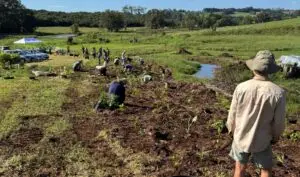
In the middle of March, the team gathered to plant the first of the ‘genetically optimal’ trees; a powerful moment years in the making—where science, care, and hope came together to quite literally put roots back into the future of the Big Scrub.
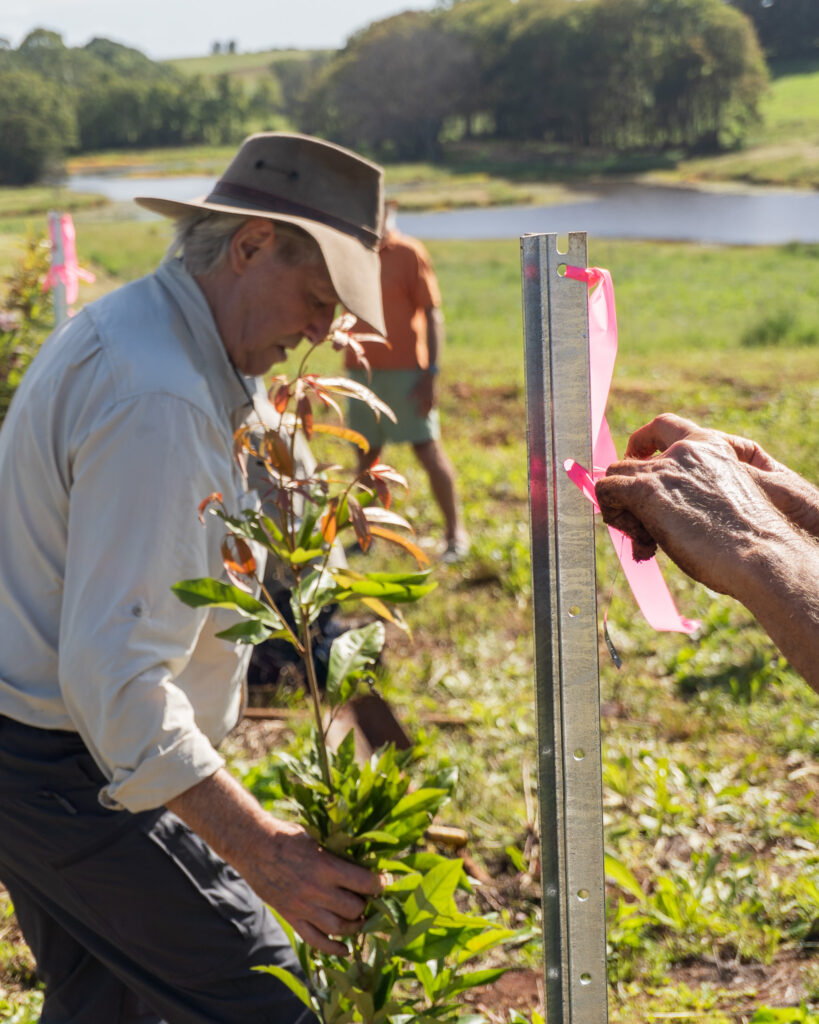
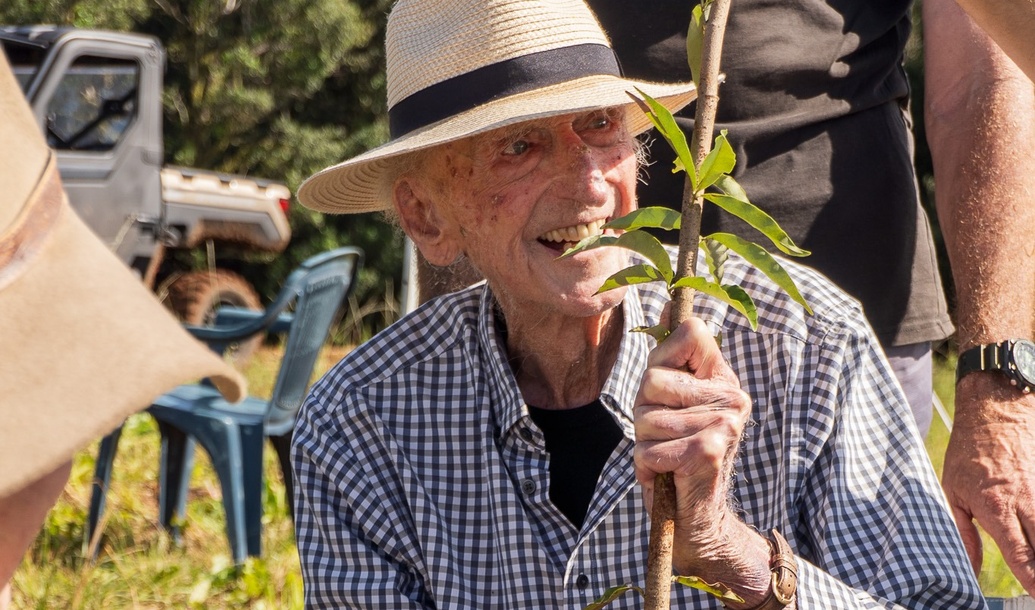
Planting the first tree, a white booyong. From left to right: Dr Rob Kooyman, Renee Borrow, Tony Parkes and Mark Dunphy
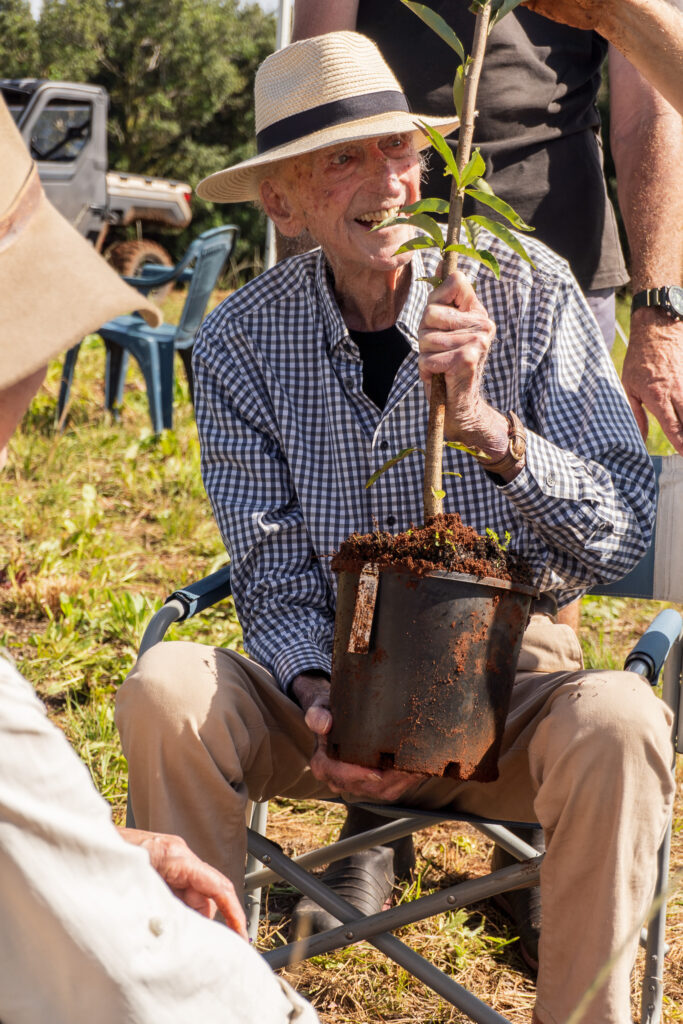
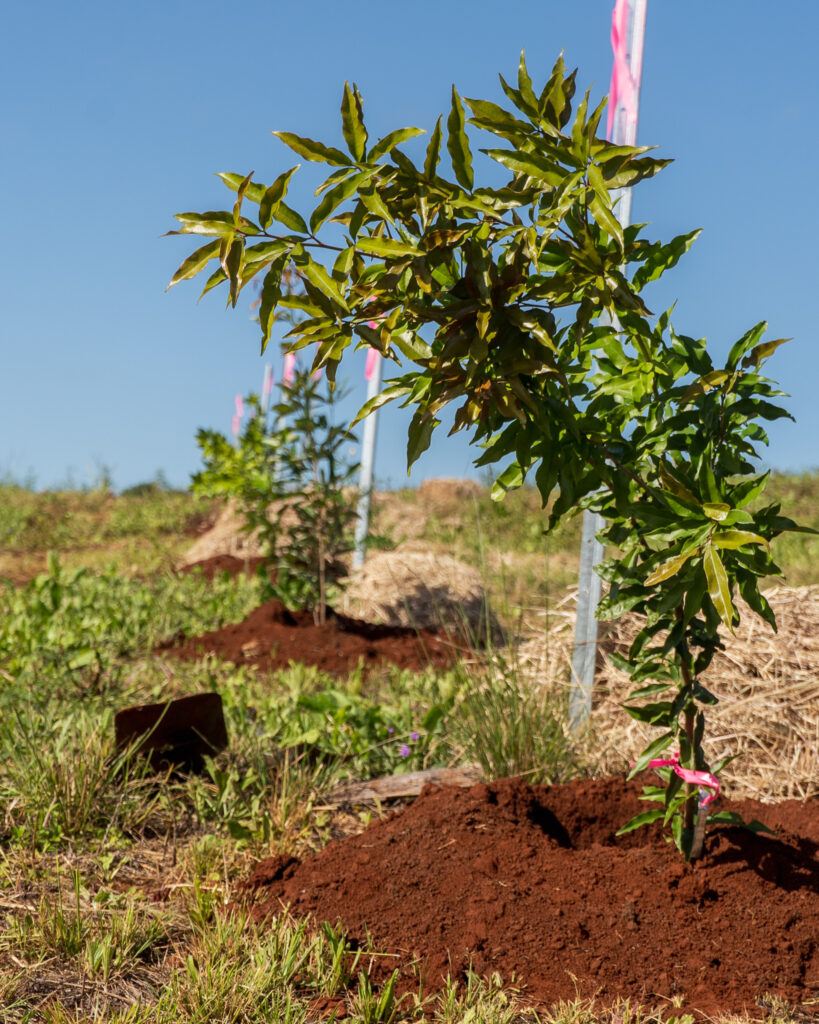
After days of showers, the skies cleared in preparation for this historic milestone moment. Our founder, visionary and driving force, Tony Parkes, was in attendance and planted the first of the ‘genetically optimal’ trees – a white booyong, no less! White booyong are a symbol of the Big Scrub – they can be found in the vegetation types of the highest diversity. Towering above the main canopy, they are considered a key structural species.
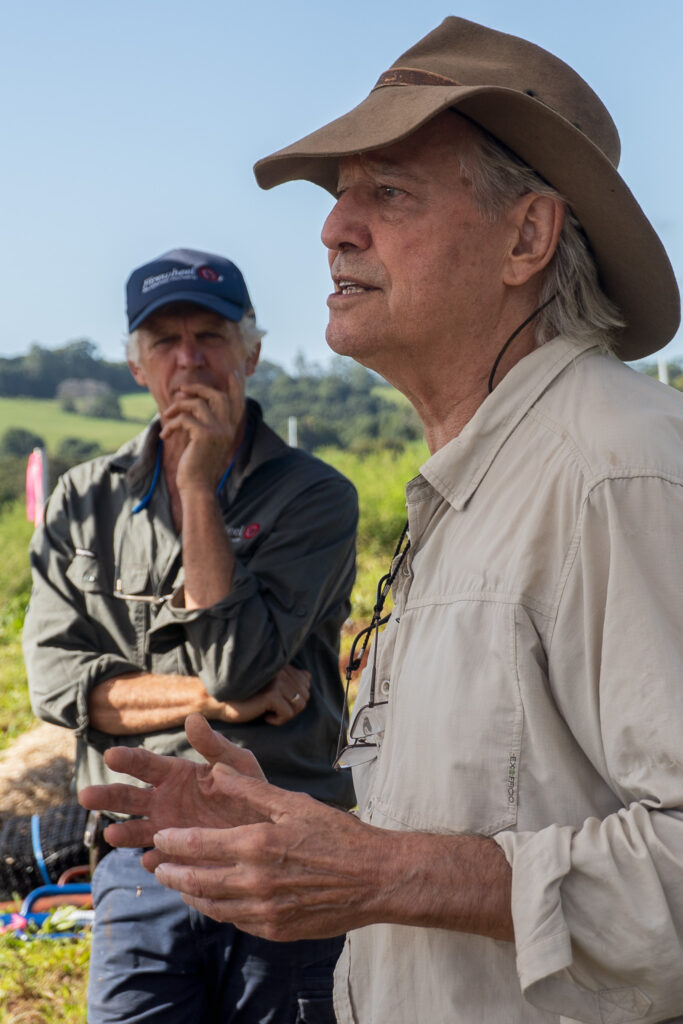
With us was evolutionary ecologist Dr Robert Kooyman, a pivotal figure in this journey who reminded us of the importance of this moment. The work we are doing today to facilitate Big Scrub genetic diversity keeps alive the lineages tying us to the ancient Gondwanan world. No small feat.
The Lead Up
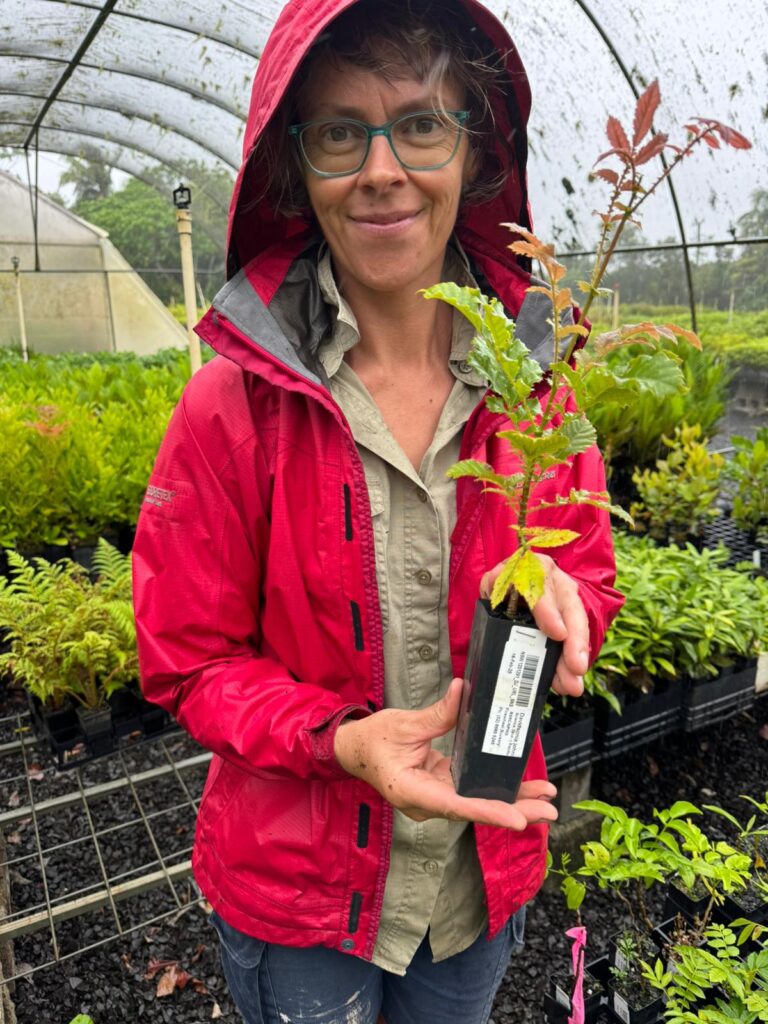
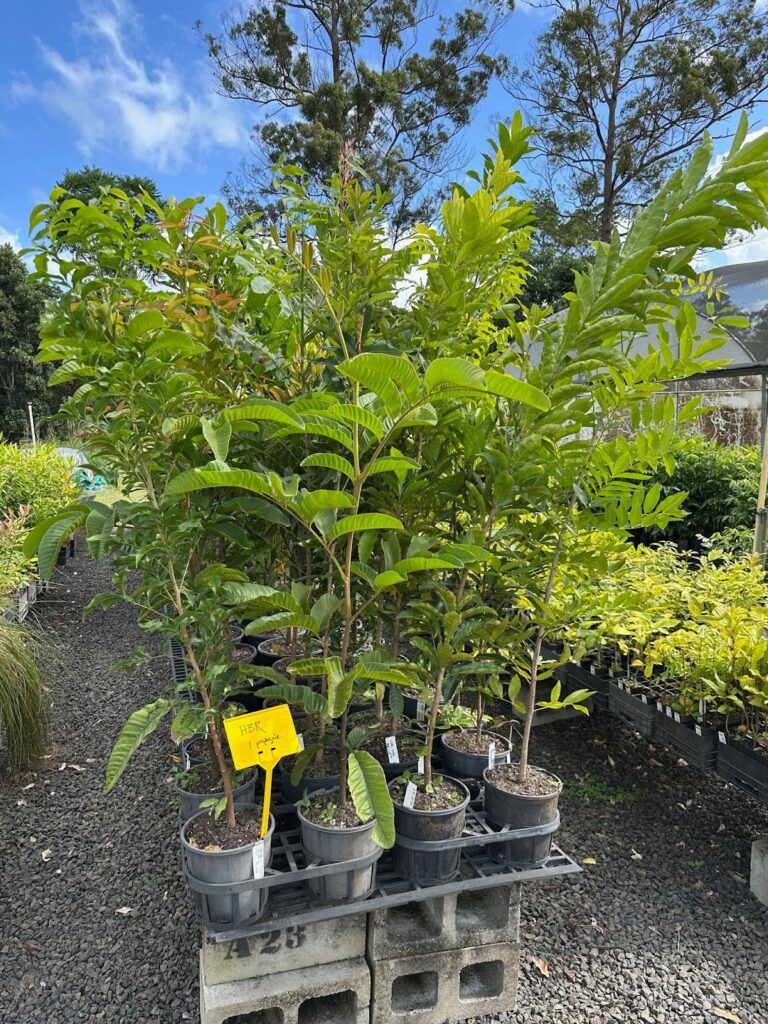
In the weeks leading up, like horses champing at the bit, the propagated trees were bursting out of their pots at Firewheel Rainforest Nursery, desperate to get into the ground. Hilke, our propagule whizz, has been tirelessly caring for and staying on top of all the cuttings coming in from our collectors out in the field. Her dedication and attention to detail has been crucial and they are now ready to fly the nest.
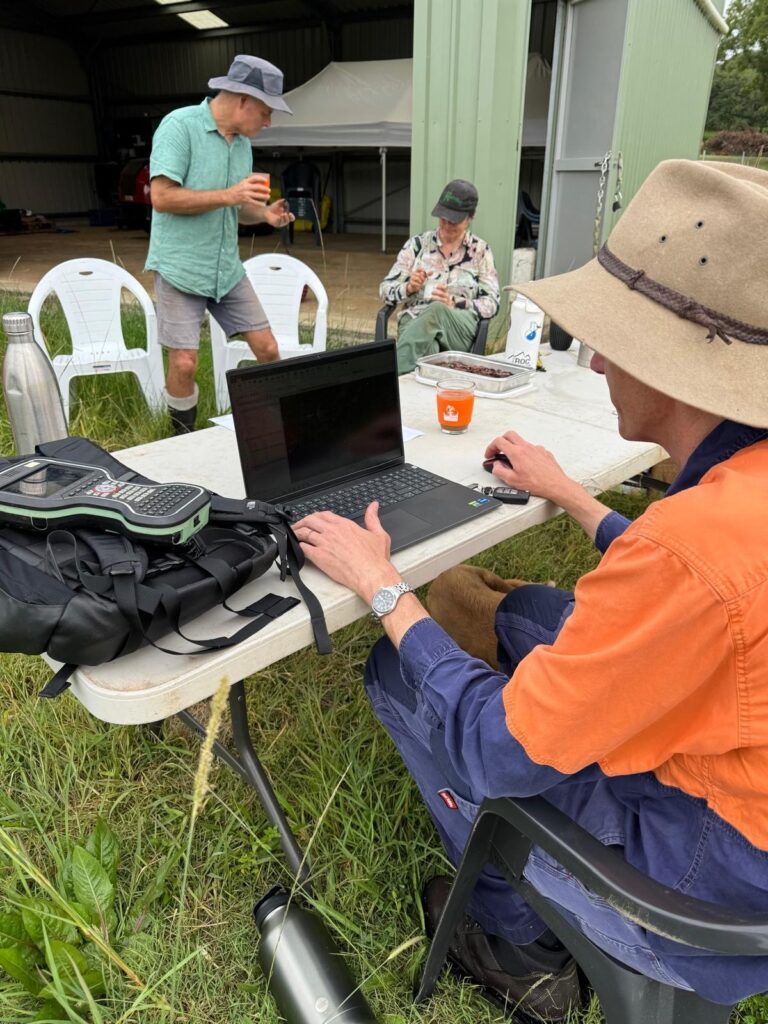
With the rainy season upon us, there was a flurry of activity as the team worked hard to lay the foundations in preparation for the first planting. With the expertise of the team at Terania Consulting, we managed to map out all of the different rainforest tree species blocks.
Each species block contains carefully selected plants of the same species, collected from different areas across the local genetic region. Using DNA analysis carried out by our partners at the Botanic Gardens Sydney, these plants were chosen to maximise genetic diversity. By planting them together, each block becomes a hub for cross-pollination. This helps produce strong, genetically diverse seeds and seedlings that can be used in future rainforest restoration projects!
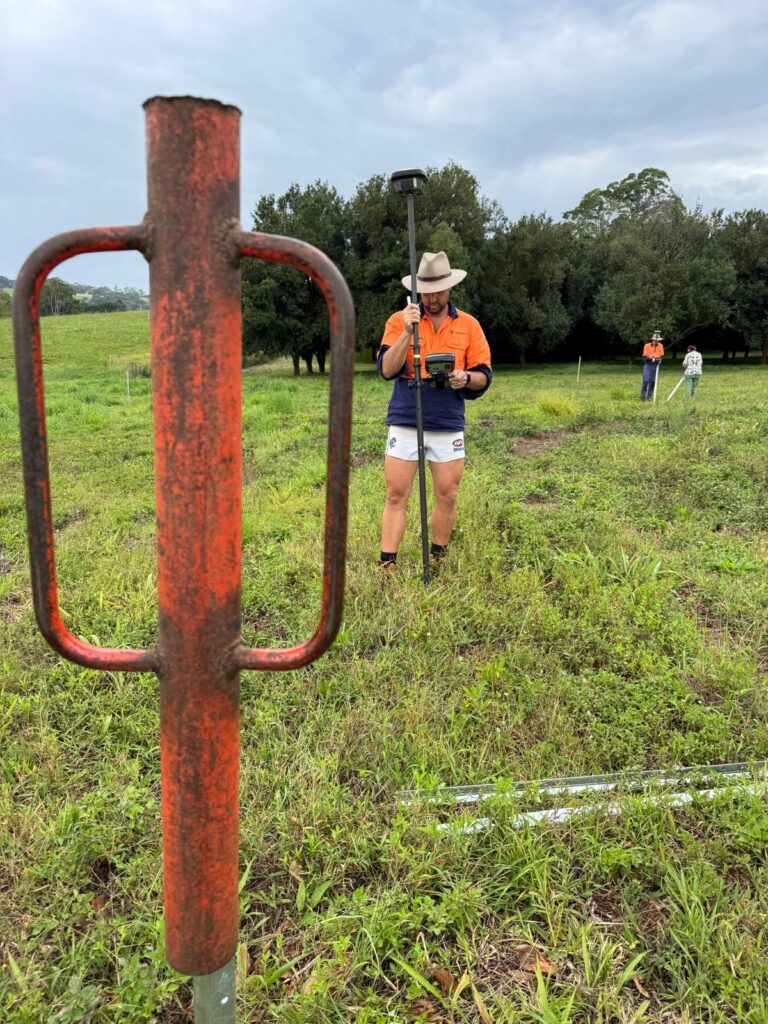
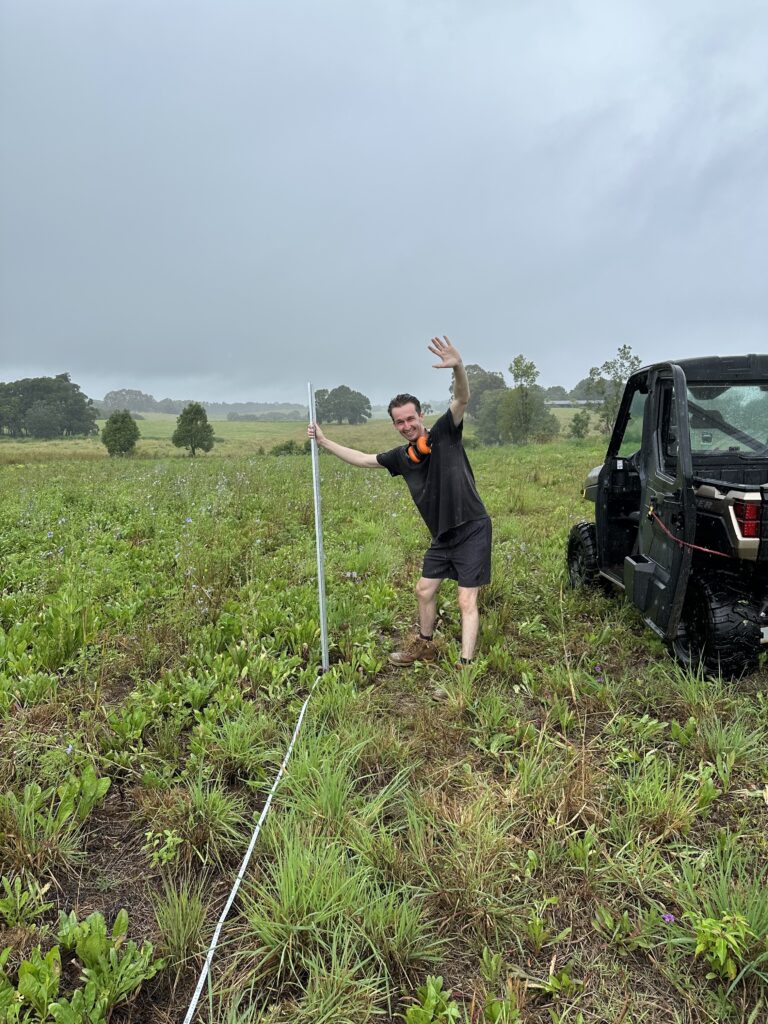
Once the plan was finalised, it was time to get marking. Along with Jeff and Dennis from Terania Consulting, Mark and John from the Conservancy’s committee marked out the species blocks.
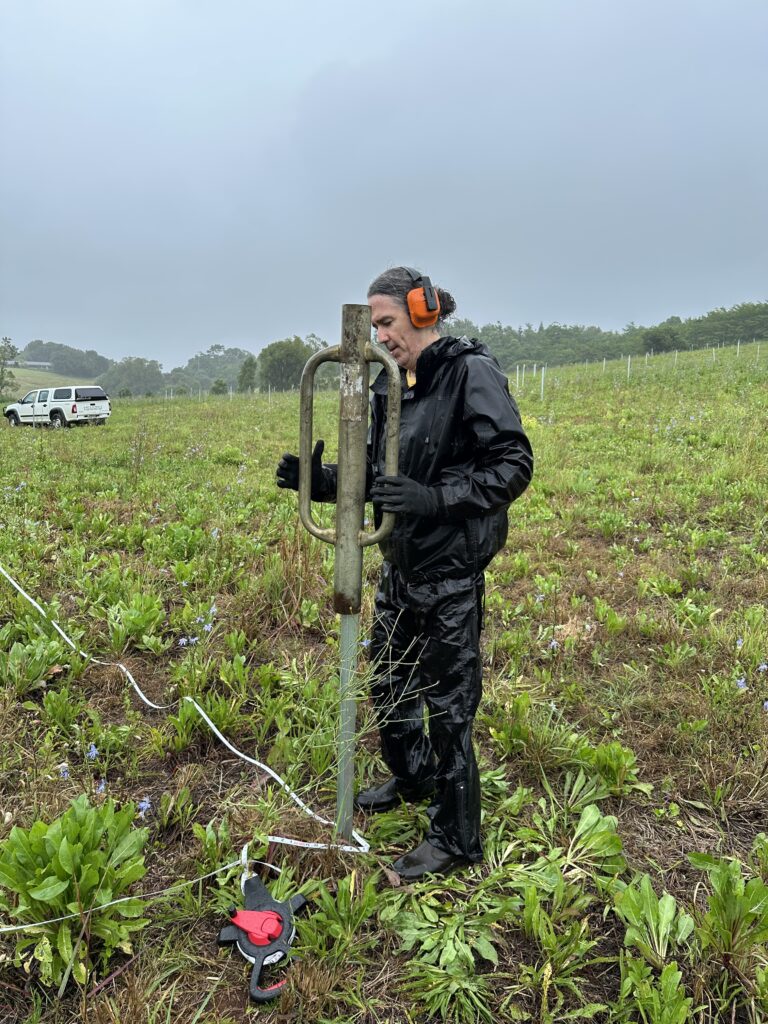
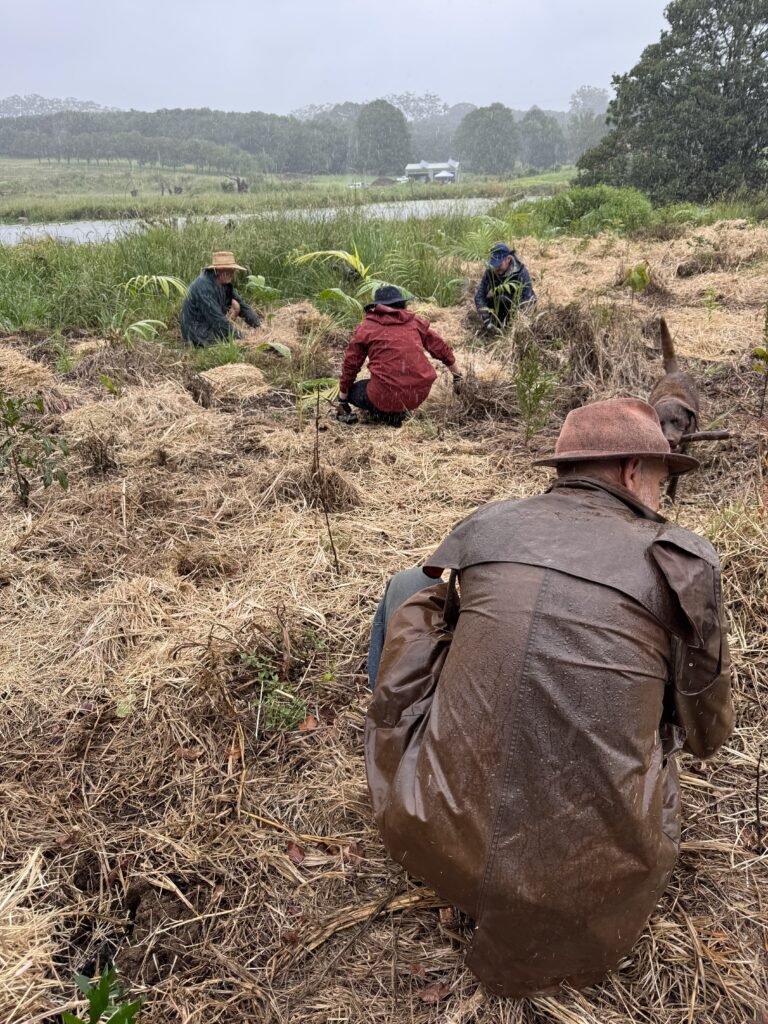
The end of that week saw a torrential downpour but that didn’t stop the team. The final species block markers went in thanks to our hardworking volunteers as well as the planting of a 587 rainforest trees for our Diversity Planting Area. Conditions were tough, but it’s hard not to smile watching a long-awaited dream finally become reality.
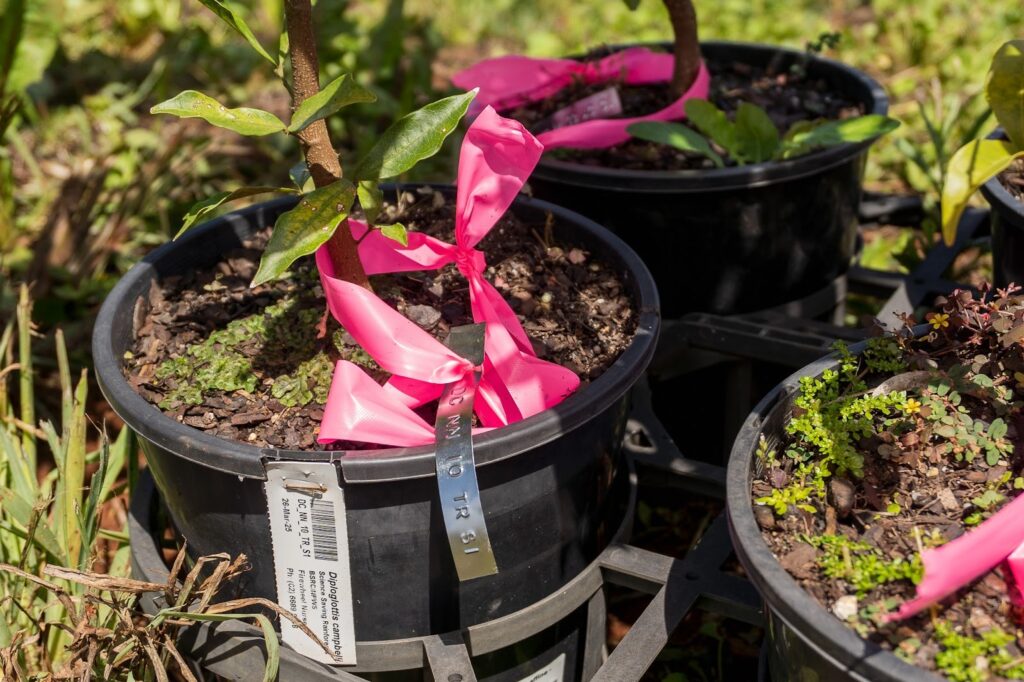
Every single tree has been assigned a unique code. From the code itself we can identify the species, the location it was collected from and whether the collection was a cutting, wildling or seed.
But the detail doesn’t end there. Each code is associated with hugely specific metadata stored in our Master Database. Every time our collectors made a collection from the wild they noted the GPS coordinates as well as other insightful information such as soil type, altitude, plant fertility status – the adoption records are complete to say the least.
This is only the beginning — as a forward thinking project, we require your continued support. Please consider donating to enable us to continue this valuable mission to save the Big Scrub from extinction!
This project has been assisted by the NSW Government through its Saving Our Species Program and the NSW Environmental Trust. We also thank Big Scrub Foundation and the Rekindle Foundation for their funding support.