‘The forest floor is covered in fruit’: Bumper year for Black Apples
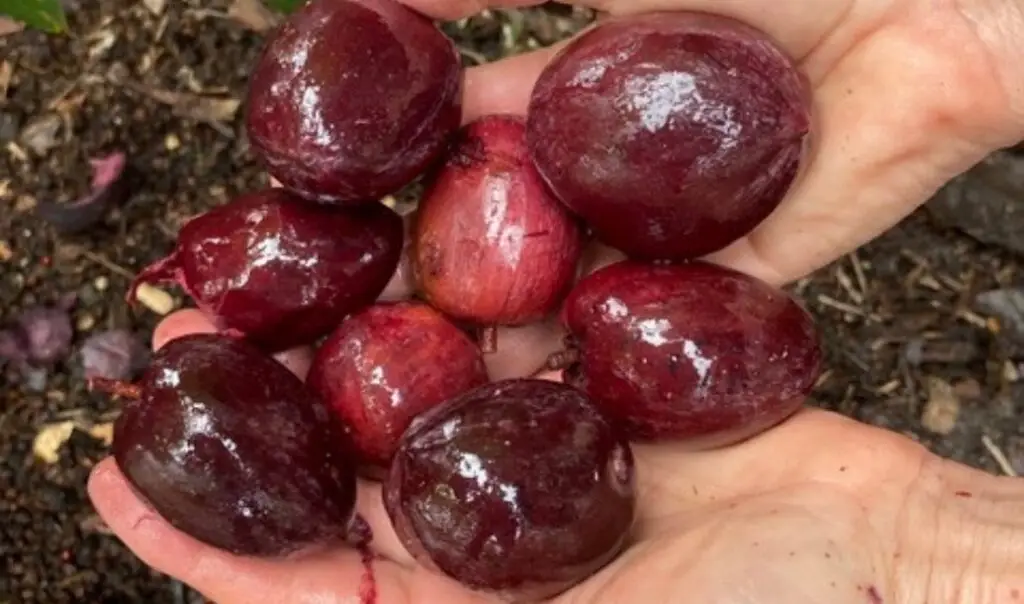
Black Apple (Planchonella australis) is one of the largest bush tucker foods in the Big Scrub. A member of the Sapotaceae family, the same family as the persimmon, the fruit is slightly sweet, less tart than a Davidson plum and has a delicious texture. And, if you feel like foraging, the forest floor is currently […]
Exciting opportunity ahead for Big Scrub Landcare

The folk at Stone & Wood have gone from strength to strength since their story began in 2008. Their homegrown business and not-for-profit inGrained Foundation have done extraordinary things for the Northern Rivers community, and they have been long-term supporters of Big Scrub Landcare. Last week marked the start of a new chapter for the […]
A mother-daughter legacy: 50+ years of regeneration
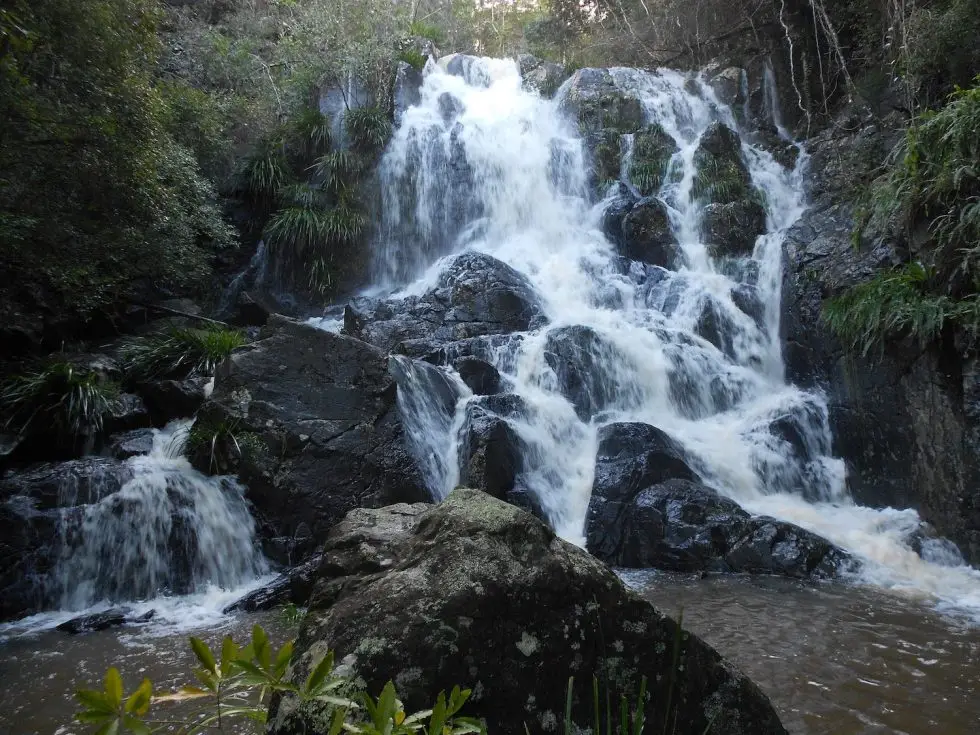
Editor’s note: It is with deep sadness that we share the news of the passing of dear friend and long-time colleague Stephanie Lymburner. Stephanie was a committee member of Big Scrub Landcare for 20 years and our secretary for 10 years. Her contribution to the Big Scrub was immeasurable, and she was a close friend […]
First Nightcap Oak planting undertaken to disperse species and reduce threat of fire
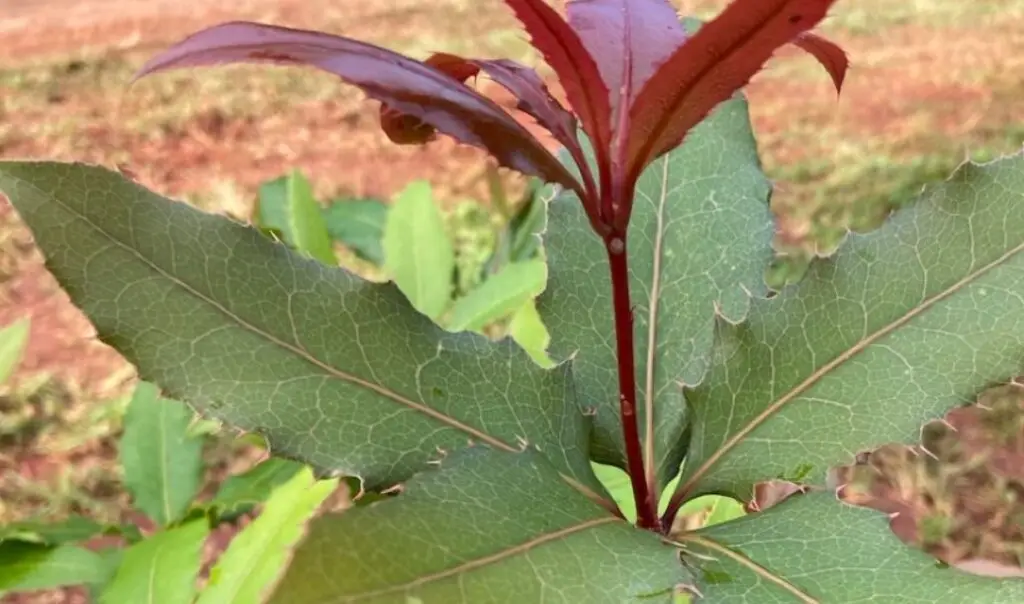
By Mark Dunphy, Vice-President of Big Scrub Landcare. The tall trunk and lush foliage of the Nightcap Oak (Eidothea hardeniana) is striking, but not easy to spot. A member of the Proteaceae (Banksia and Grevillea) family, it’s so rare and well hidden that it wasn’t discovered until 2000, and with only around 100 adults left […]
Pretty but shy: How to spot an evasive fruit dove
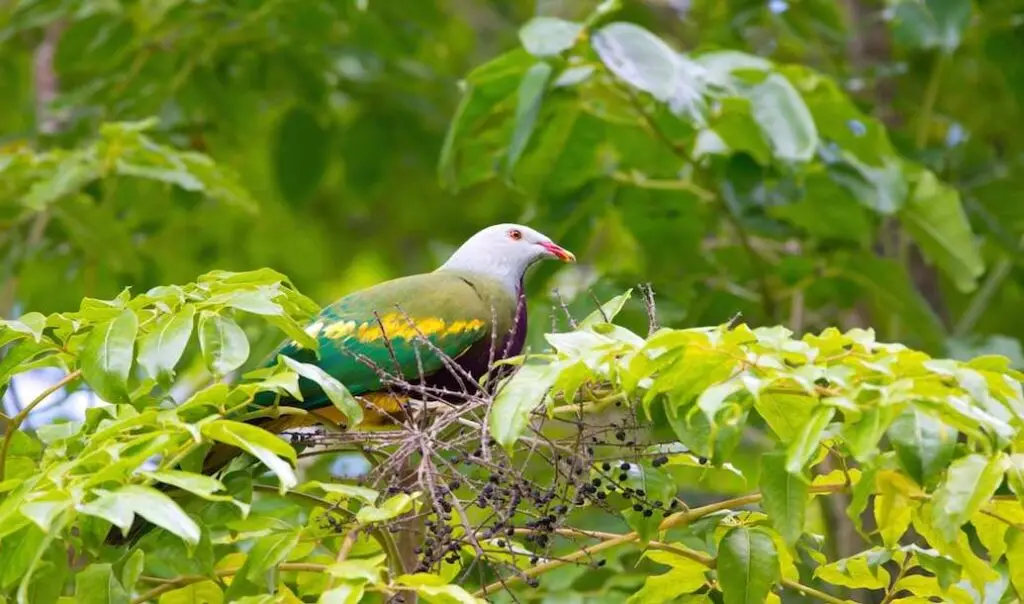
A personal contribution from Big Scrub Landcare member Ken Dorey. Yesterday I heard the two deep, reverberating calls of a Wompoo Fruit-Dove. When the penny dropped I listened for a third call, but it never came, not did I spot its owner. Why was I so excited? BirdLife Australia describes the Wompoo as distinct for […]
Camphor conversion project wraps with praise from NSW Environmental Trust
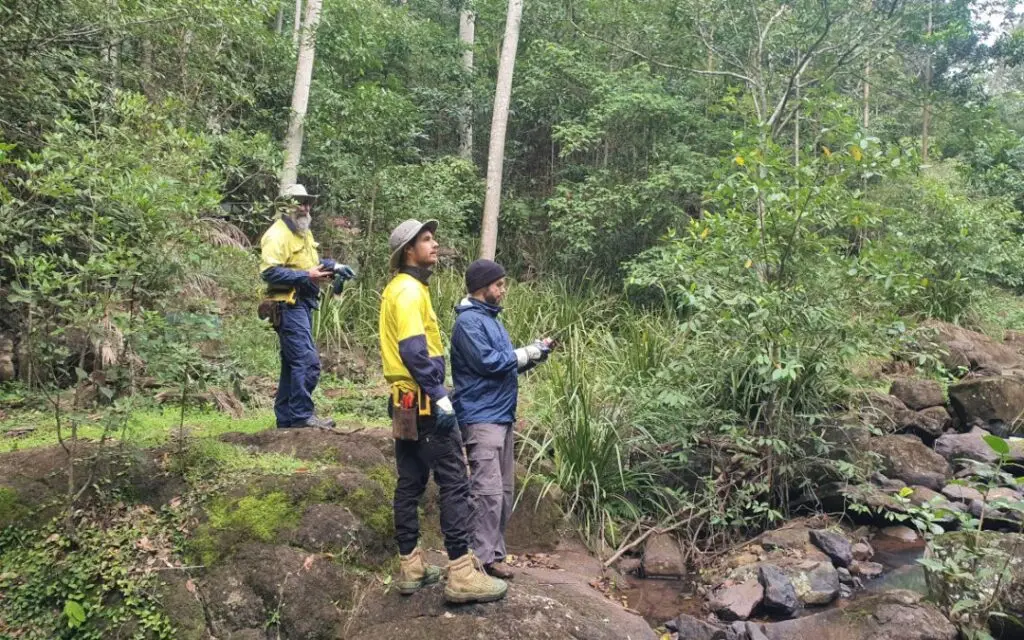
Big Scrub Landcare’s Enhancing remnants, linkages and corridors across the Big Scrub project has been wrapped up with praise for doubling or tripling a number of its expected outcomes. The three-year project, which was completed late last year, received its review from the NSW Environmental Trust, which commended the project for: Converting 22 […]
Bexhill Public School adds its own piece of the Big Scrub to outdoor learning program
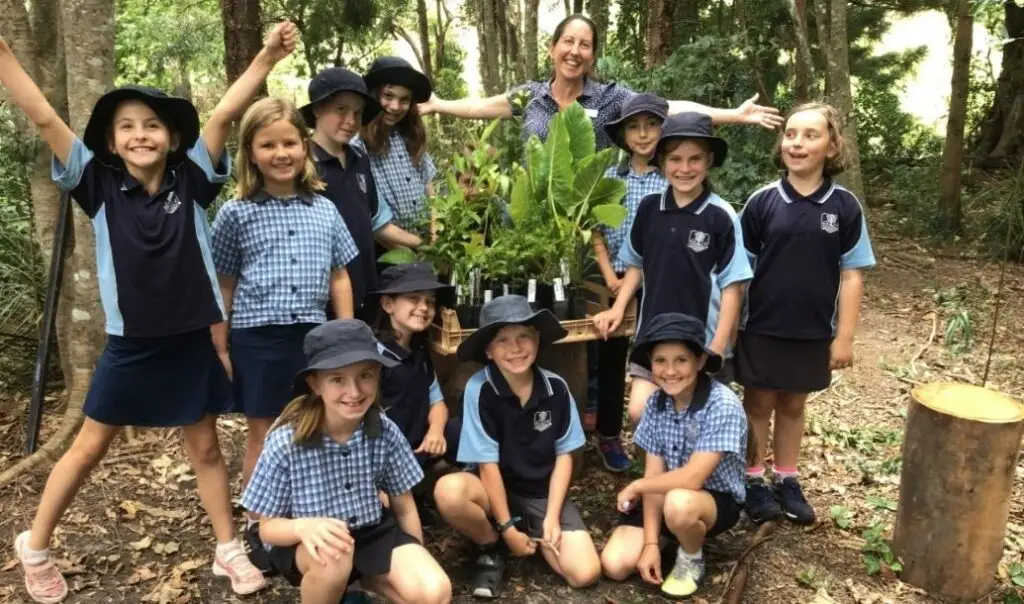
When the Bexhill Public School discovered a patch of rainforest in the corner of its grounds, staff named it the “snake pit” and swiftly made it “out of bounds”. However, upon more recent inspection, the beauty and biodiversity of the heavily forested corner of the school grounds shone through. After an inspection by Big […]
Must-Watch TV: Refugia’s Love Letter to the Planet featuring Big Scrub Landcare
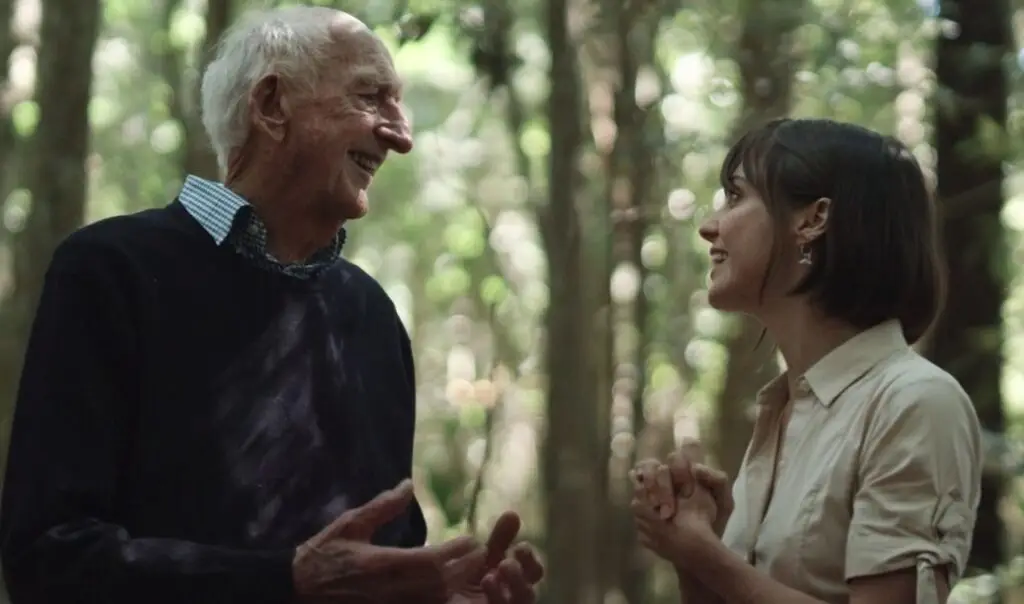
Refugium: a place of refuge where a community of species survives after extinction in surrounding areas. This apt description of the remnants of Big Scrub rainforest is also the inspiration for a new docuseries created and produced by Mullumbimby-born Liana Cornell. The beautifully shot series tells heartwarming stories of good being done by everyday heroes, […]
Big Scrub Landcare Resources
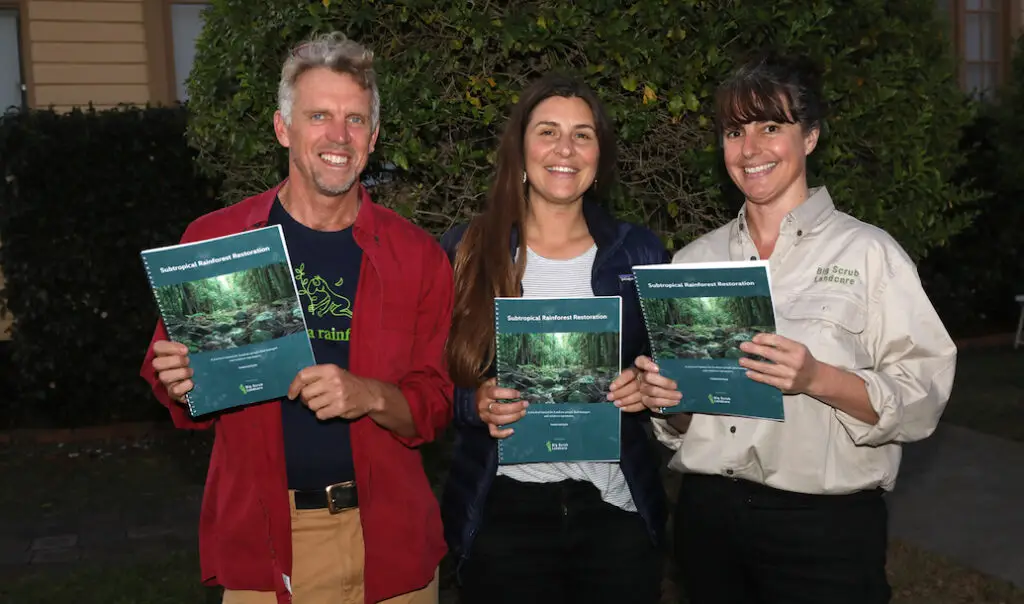
Over the past 25-plus years, Big Scrub Landcare has cared for more than 50 remnants of subtropical lowland rainforest as well as establishing new patches of rainforest from replanting. During this time, our team has worked with countless experts, spent innumerable hours in nurseries and in the field; and through plenty of trial and error, […]
Tall, graceful and poisonous: The surprising history of the Black Bean tree
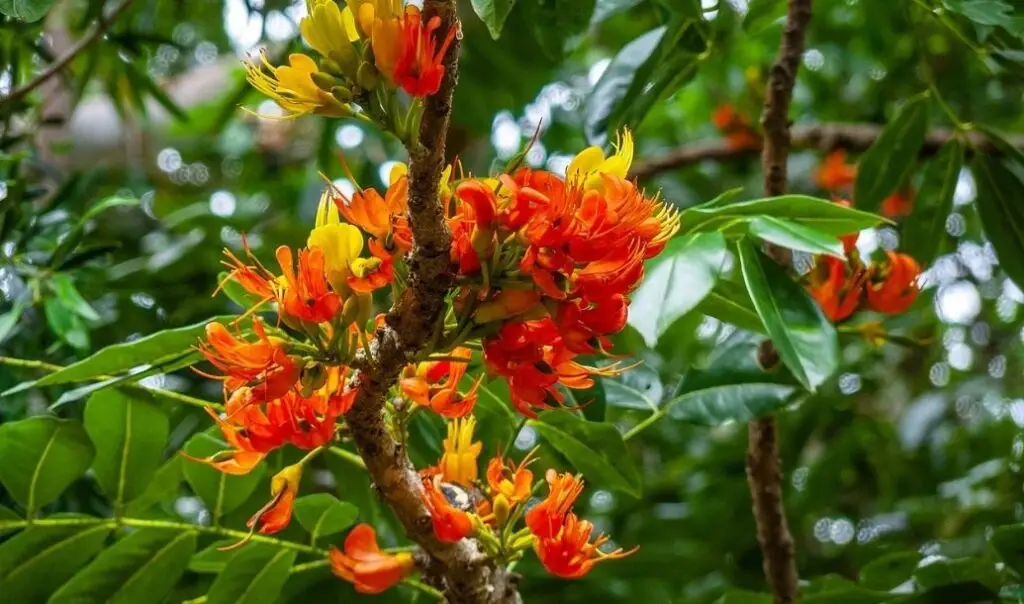
A personal contribution from Big Scrub Landcare member Ken Dorey. The Black Bean, or Moreton Bay Chestnut, (Castanospermum australe) is a common Big Scrub tree and, as it is easy to recognise, it is often one of the first trees that rainforest enthusiasts learn to identify. What’s not as obvious on first glance is the […]