New Research from the Big Scrub: Bats, Connectivity and a Forest in Recovery
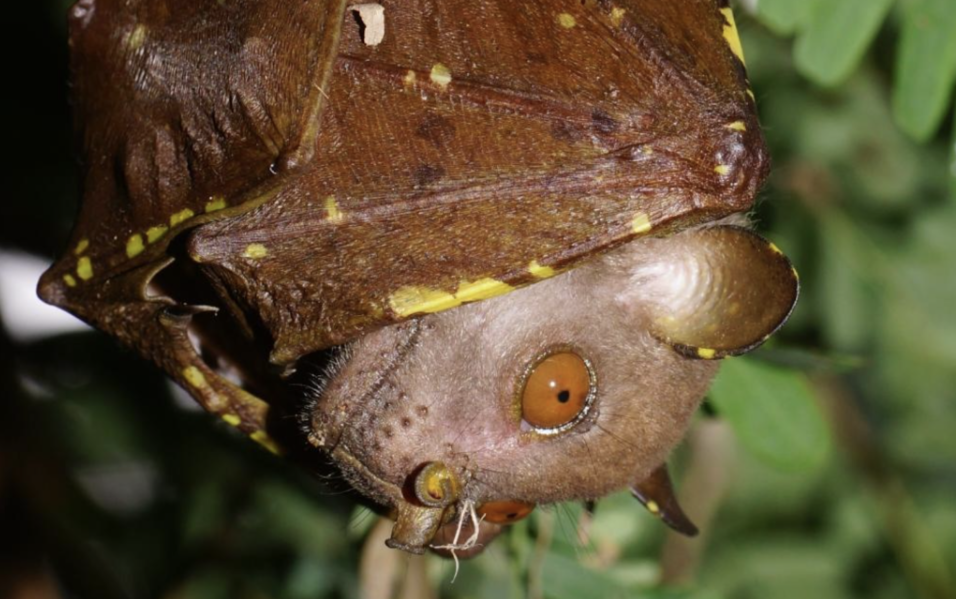
In our last newsletter, ecologist Georgia Beyer introduced us to the Eastern Tube-nosed Bat (Nyctimene robinsoni) and teased us with some exciting insights about its return to the Big Scrub. Now it’s official, as a new paper has been published in Australian Zoologist. Led by David Milledge and Georgia Beyer, acoustic surveys as part of our bioacoustic bird monitoring project
Science Saving Rainforests Update: What are the Demonstration Restoration Sites?
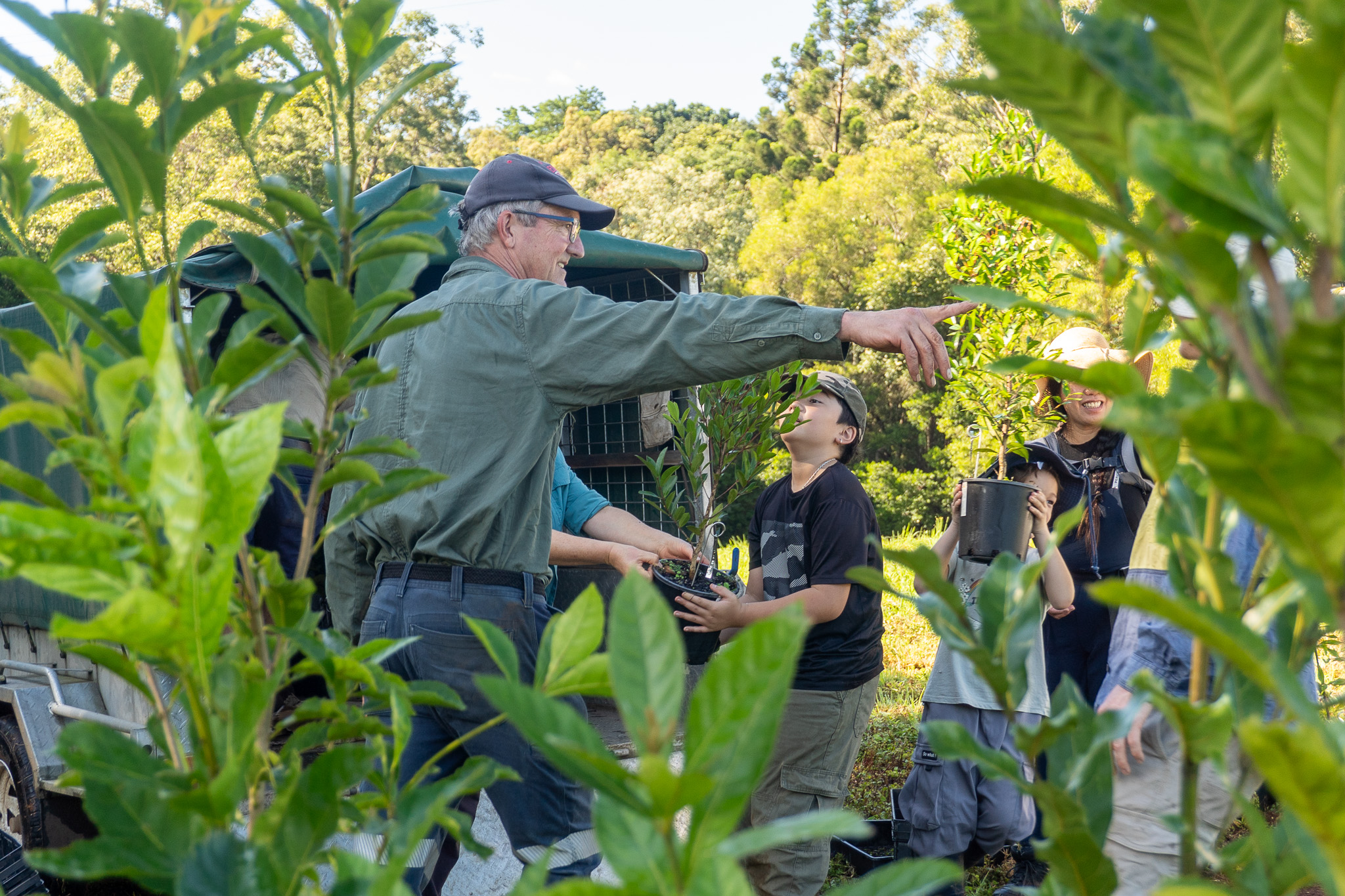
by Babette Weatherell | Just months after the first genetically optimal trees were planted at the Living Seedbank Plantation, the next phase of the Science Saving Rainforests program is already underway. The first planting at the Living Seedbank Plantation was a major milestone for the program. Developed through years of genetic research, the genetically optimal trees at the Living Seedbank Plantation represent the best
A Look Into The Bioacoustic Bird Monitoring Project
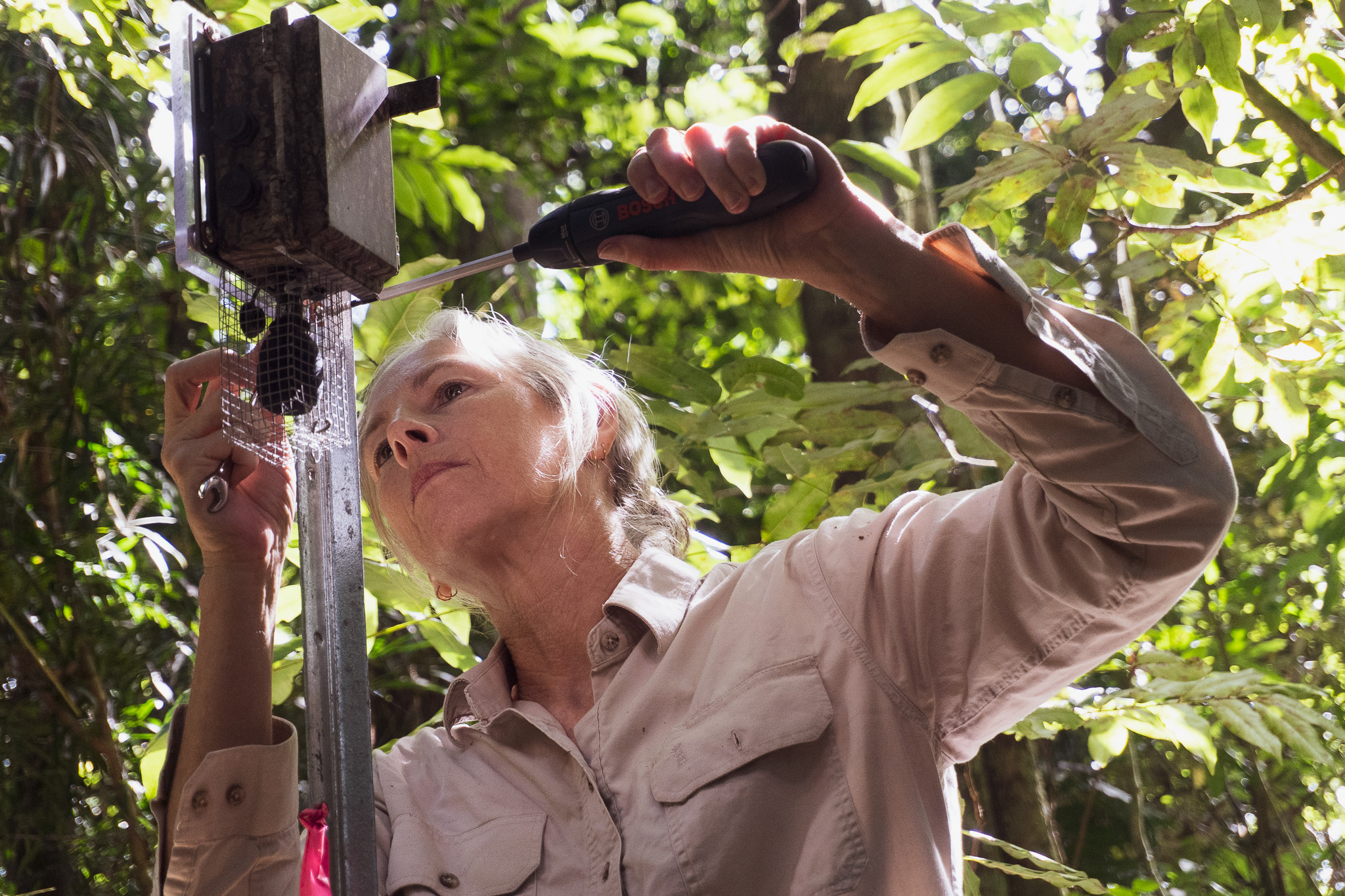
by Babette Weatherell | “A lot of it is just listening.” Clipboard in hand, binoculars slung on her shoulder, khaki button up – the true picture of a bird ecologist out in the field. Georgia looks up towards the canopy, scanning the twinkling green constellation above. She’s looking but the real work is tuning in to the scattered symphony of bird
19,000 Observations and Counting: Exploring the Big Scrub Through Citizen Science
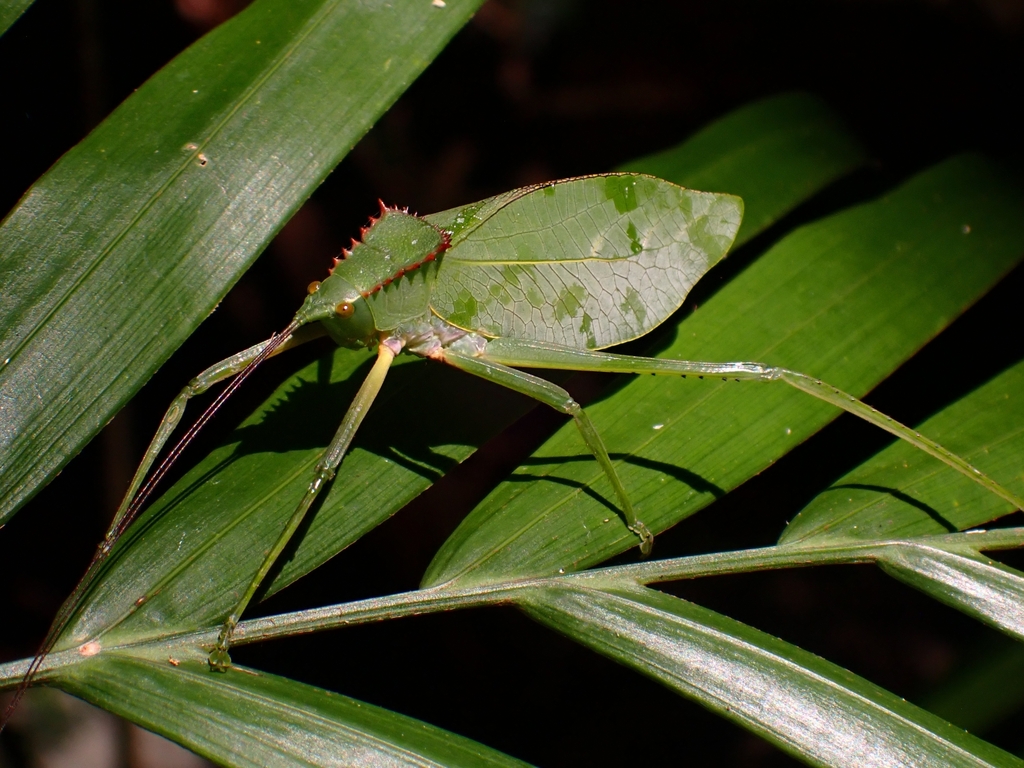
Interview with Michelle Colpus | “Every single time I walk out my door I see something I have never seen before.” Over 19,000 observations and more than 3,000 species documented. Not bad for a research institute. Even more impressive when you realise this iNaturalist account instead belongs to one woman with a serious Big Scrub obsession: Michelle. Fungi, spiders, orchids, slime moulds – every
The Story of the Walking Stick Palm (Linospadix monostachyos)
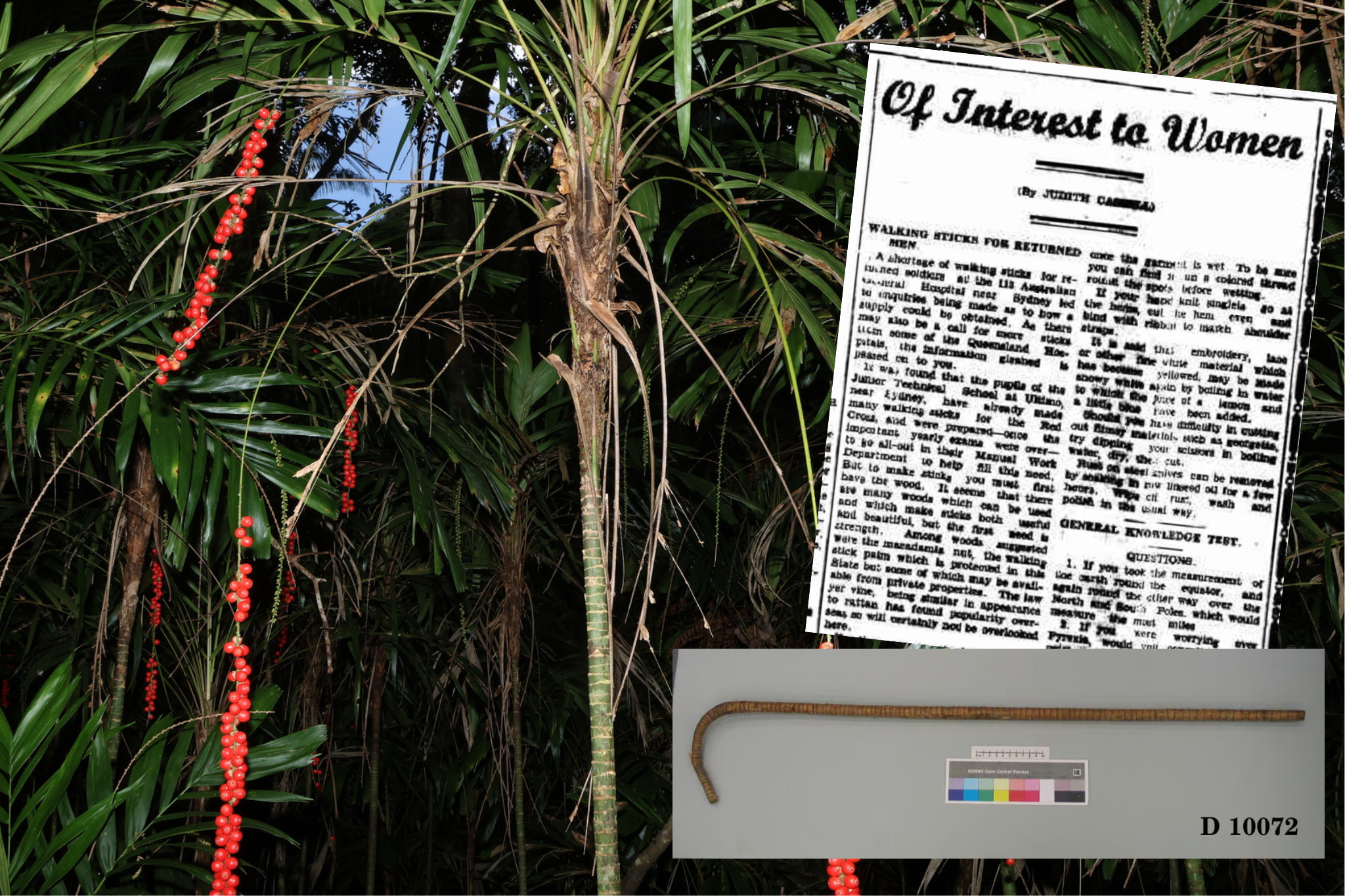
By Ken Dorey | One of the most beautiful understorey plants in the Big Scrub is the Walking Stick Palm (WSP) or Midgimbill. According to the Sustainable Gardening Australia, it’s a slow-growing delicate palm, found between Taree and Gympie, that has an edible red fruit when fully ripe. “The plant’s common name comes from the strong straight stem which remains consistently around 3cm and was harvested post-World War 1
The Future Takes Root: First Genetically Optimal Trees Planted in Living Seedbank
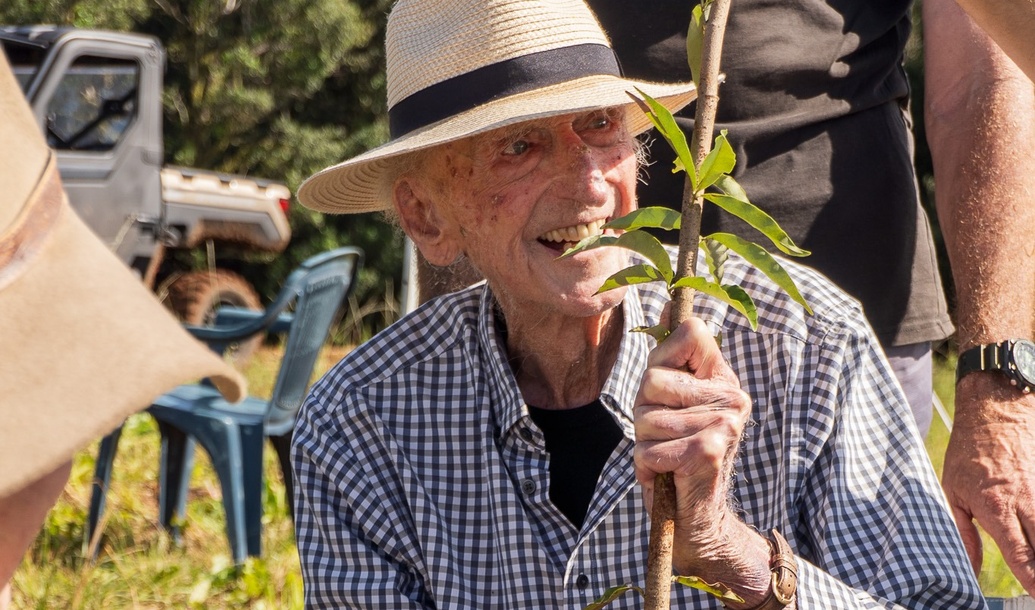
By Babette Weatherell | The end of the summer saw some major strides for the Big Scrub Rainforest Conservancy’s Living Seedbank Plantation as plans emerged from the drawing board and out into the field. In the middle of March, the team gathered to plant the first of the ‘genetically optimal’ trees; a powerful moment years in the making, where science,