19,000 Observations and Counting: Exploring the Big Scrub Through Citizen Science
Interview with Michelle Colpus |
“Every single time I walk out my door I see something I have never seen before.”
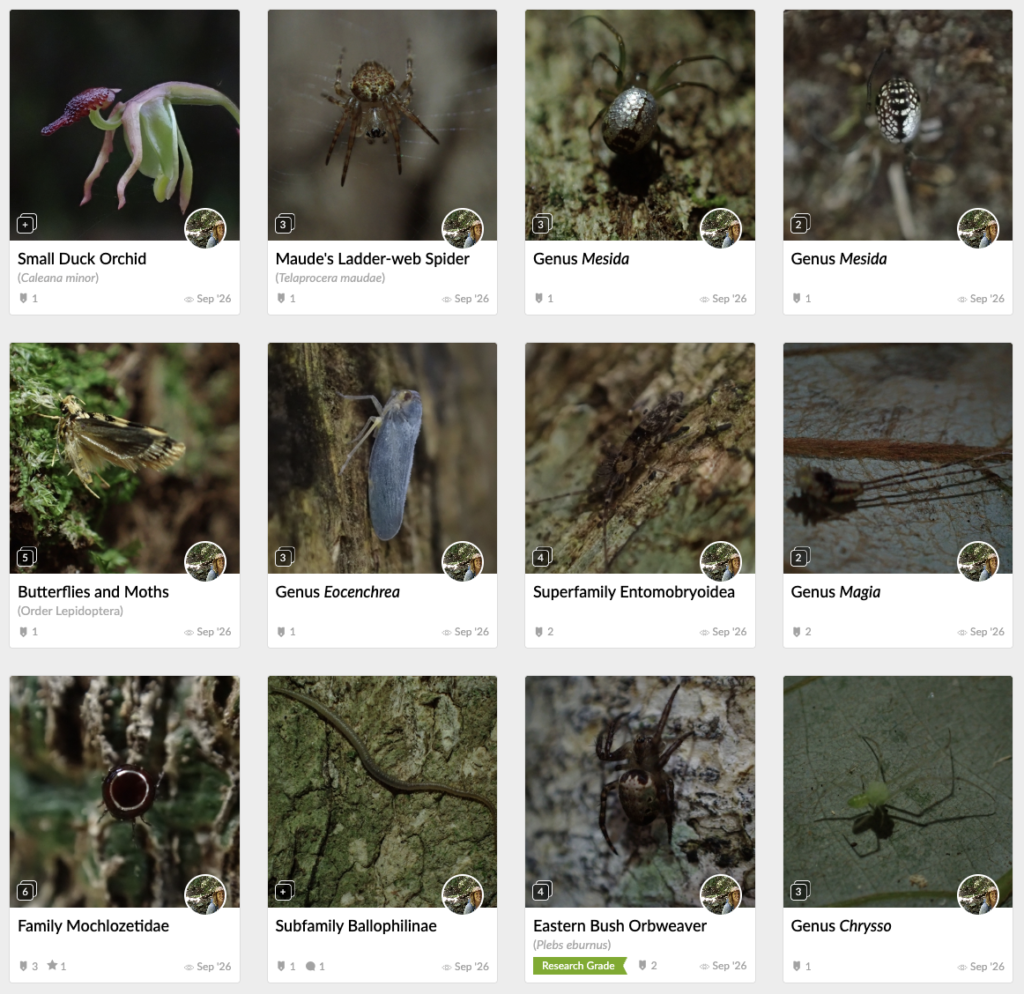
Over 19,000 observations and more than 3,000 species documented. Not bad for a research institute. Even more impressive when you realisethis iNaturalist account instead belongs to one woman with a serious Big Scrub obsession: Michelle.
Fungi, spiders, orchids, slime moulds – every adventure she goes on Michelle meticulously records every observation on iNaturalist, growing a library of natural wonders, that she shares with the world through Diary of a Coddiwompleracross social media.
iNaturalist is a global citizen-science platform where people can photograph and document wildlife, plants and fungi, contributing their observations to a growing database used by researchers and conservationists.
An extraordinary contribution to citizen science and one of the most extensive local records of biodiversity in the Big Scrub region. We took the opportunity to learn more about the person behind the observations.
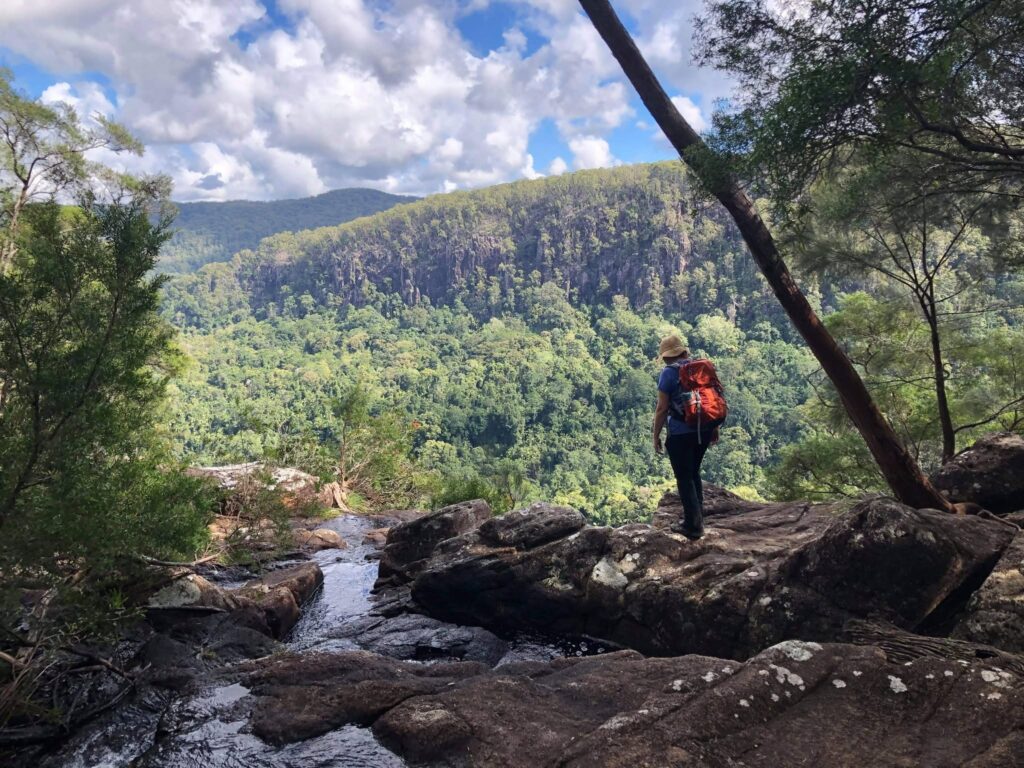
Growing up in Victoria’s Dandenong Ranges, Michelle moved to the Northern Rivers in 1998 and immediately fell in love with the forests of Nightcap National Park.
In 2020, what started as a tool for identifying plants quickly became something much bigger. Through iNaturalist she has connected with a community of naturalists, formed lasting friendships and contributed thousands of observations to a growing body of biodiversity knowledge.
Contributing to Science
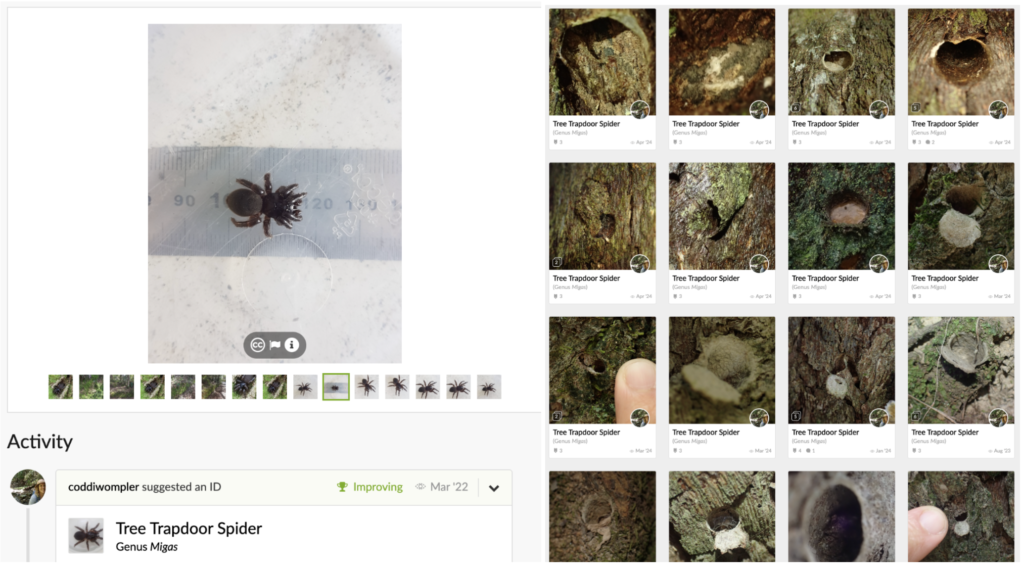
Her approach is simple: slow down. That patient curiosity has led to some remarkable discoveries, including several undescribed insect species and a yet-to-be-named Tree Trapdoor Spider (Migas sp.). A notoriously elusive species, apparent in the countless spider-less burrows she has documented.
“It was really meaningful to me,” she says. “I was actually an arachnophobe and have worked really hard to see how beautiful spiders actually are.”
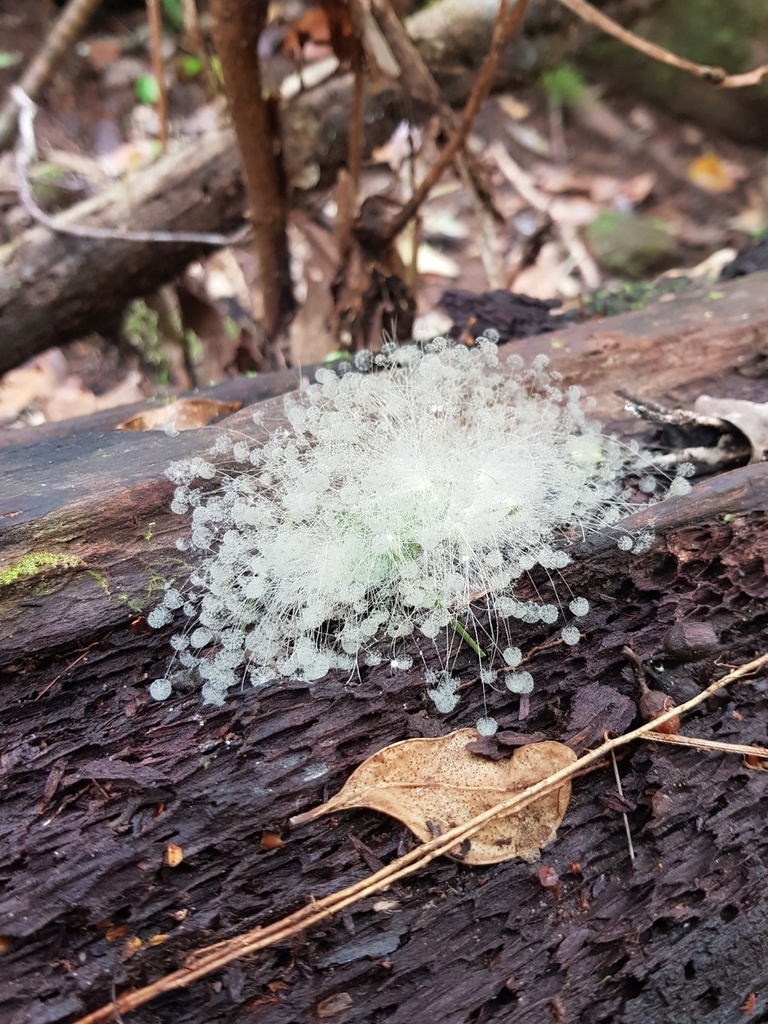
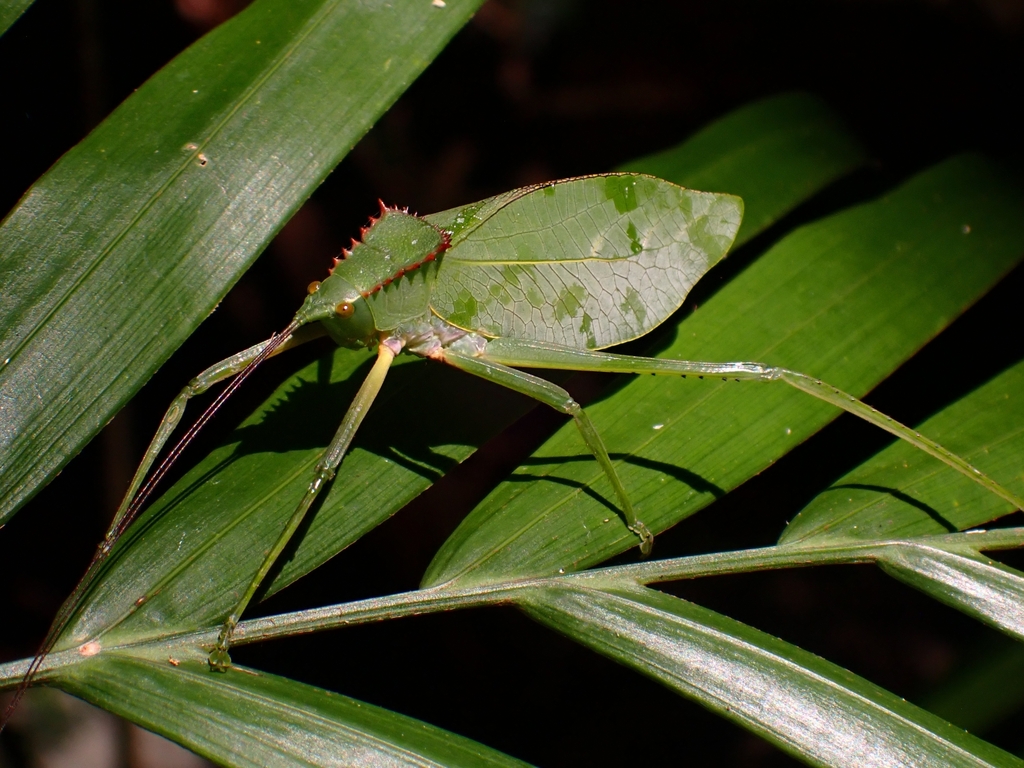
Her creepiest find: a katydid (Tallebudgeroptera spininota) overcome with a rare entomopathic fungi (Sporodiniella umbellata)
Perhaps her creepiest, and rarest, discovery came when Michelle encountered a katydid (Tallebudgeropteraspininota) infected with the rare entomopathogenic fungus Sporodiniellaumbellata.
At the time, it was only the fourth recorded sighting of the katydid, while the fungus itself had only been documented a handful of times. Finding the two together was an extraordinary coincidence.
Beyond the thrill of discovery, Michelle sees citizen science as a vital piece of the conservation puzzle. “No one dedicated research group can be everywhere at once,” she says. “People on the ground like me can be the catalyst to more focused research.”
She is equally passionate about recognising the experts who help identify observations and maintain platforms like iNaturalist.
“Citizen science is wonderful, but it would be nothing without the passionate experts working hard for free.” Together, that partnership between everyday observers and scientific experts is helping build a richer understanding of the incredible biodiversity hidden within the Big Scrub.
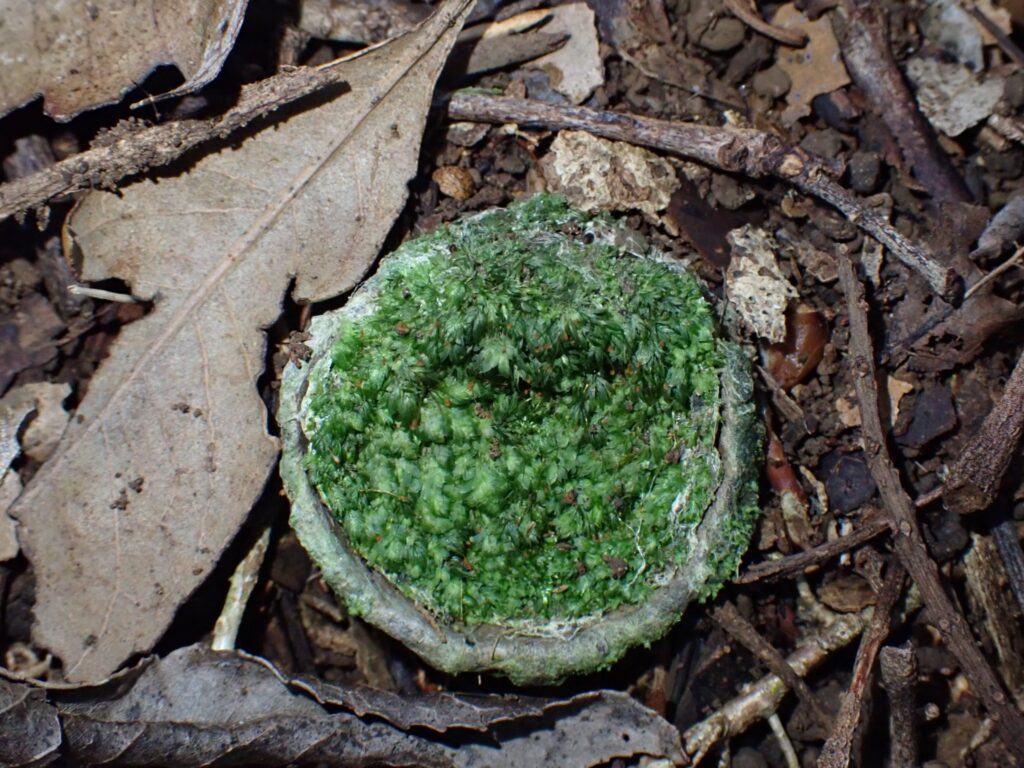
Moss-covered entrance to the burrow of the elusive Golden Trapdoor Spider
Rainforest as Recovery
Michelle’s relationship with the rainforest has also taken on deeper significance in recent years. Following a stroke, spending time in nature became both more challenging and more important.
During her recovery, she connected with people whose health prevents them from experiencing the natural world firsthand. Now, every photograph she shares is for them as much as for herself.
“I know that my photos and brief stories bring them joy,” she says. “I feel so lucky to be able to do what I do.”
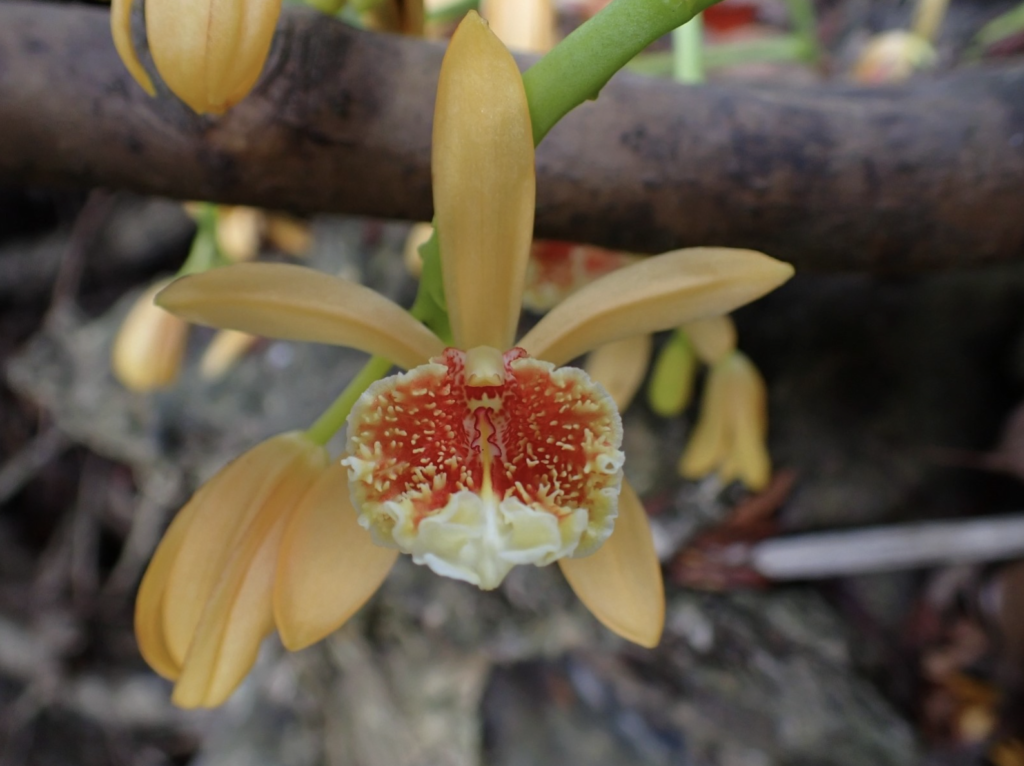
Great Climbing Orchird (Pseudovanilla foliata)
Michelle’s advice is simple: be curious. Look closer.
Notice the tiny fungi pushing through leaf litter,
the insects hidden beneath a leaf,
the orchid flowering beside the track.
Your discoveries can be a chance to connect with the iNaturalist community and no longer need to remain a mystery.
You don’t need a PhD to make a discovery. In a world where so much of our biodiversity remains undocumented, that curiosity can be surprisingly powerful. After all, as Michelle reminds us,
“Small things do matter.”
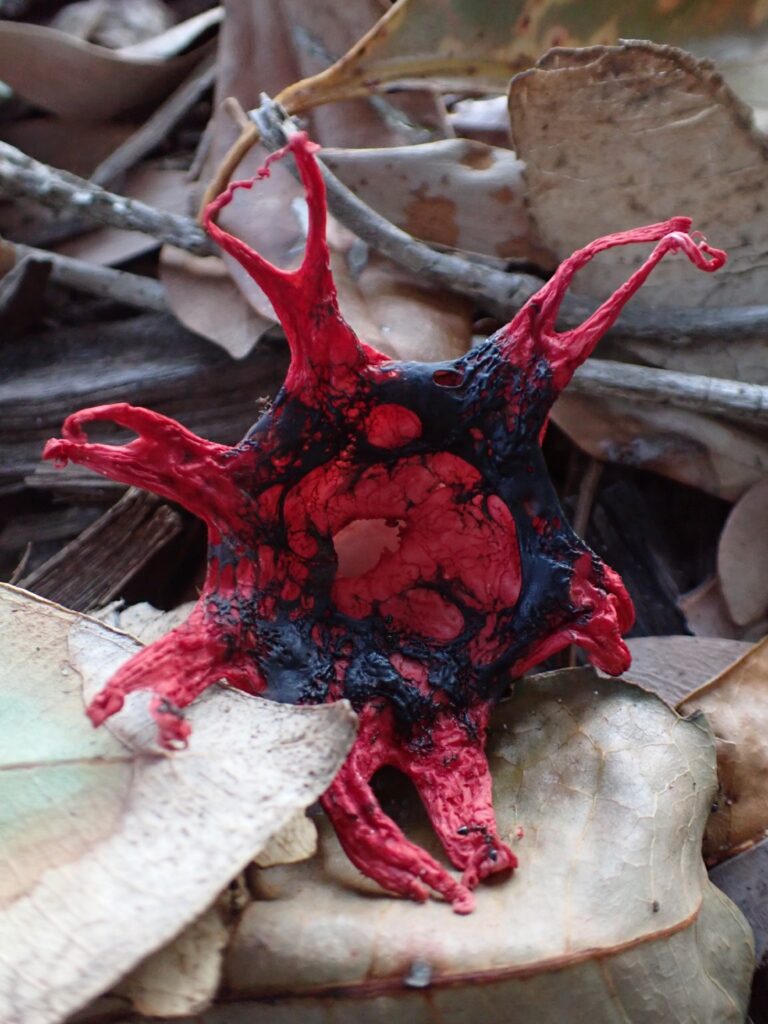
Anenome Stinkhorn Fungus (Aseroa rubra)
Ready to start exploring the Big Scrub? As a fragile ecosystem, many of the remnants are not open to the public, but here are some accessible starting points:
Booyong Flora Reserve: covers an area of 16 hectares and was declared protected in 1931. It is located 2.5km south-west of Nashua.
Victoria Park Nature Reserve: covers an area of 17 hectares and was declared a protected area in 1975. It is located on Victoria Park Road off Dalwood Road in Alstonville.
Minyon Falls Nature Reserve: covers an area of 112 hectares and was declared a protected area in 1979. The Minyon Falls Nature Reserve is located on Minyon Falls Road, 20 km west of Byron Bay.
Big Scrub Flora Reserve: covers an area of 196 hectares and was declared a protected area in 1976. The Big Scrub Flora Reserve is located on Gibbergunyah Range Road near Rocky Creek Dam.
Boomerang Falls Flora Reserve: covers an area of 9 hectares in Whian Whian State Conservation Park. It is located 20 minutes drive from Minyon Falls.
Photography courtesy of Michelle Colpus. Written by Babette Weatherell.