By Babette Weatherell |
I wound my way up the Bruxner Highway, carried along by the current of morning commuters climbing the Alstonville plateau. My mind was already ticking through the day. A sudden left turn took me off my usual route to work, and the hum of the rush hour faded as the countryside opened out before me.
I was still rushing, though. I’d planned to duck into a nearby nature reserve before work to take a few photos for the Conservancy’s social media, but I’d misjudged the timing somewhat. If I can get there by nine, I can walk around for fifteen minutes, get the shots, and drive the remaining twenty-two minutes to the office. Done. A woman walking her dog ahead signalled for me to slow down.
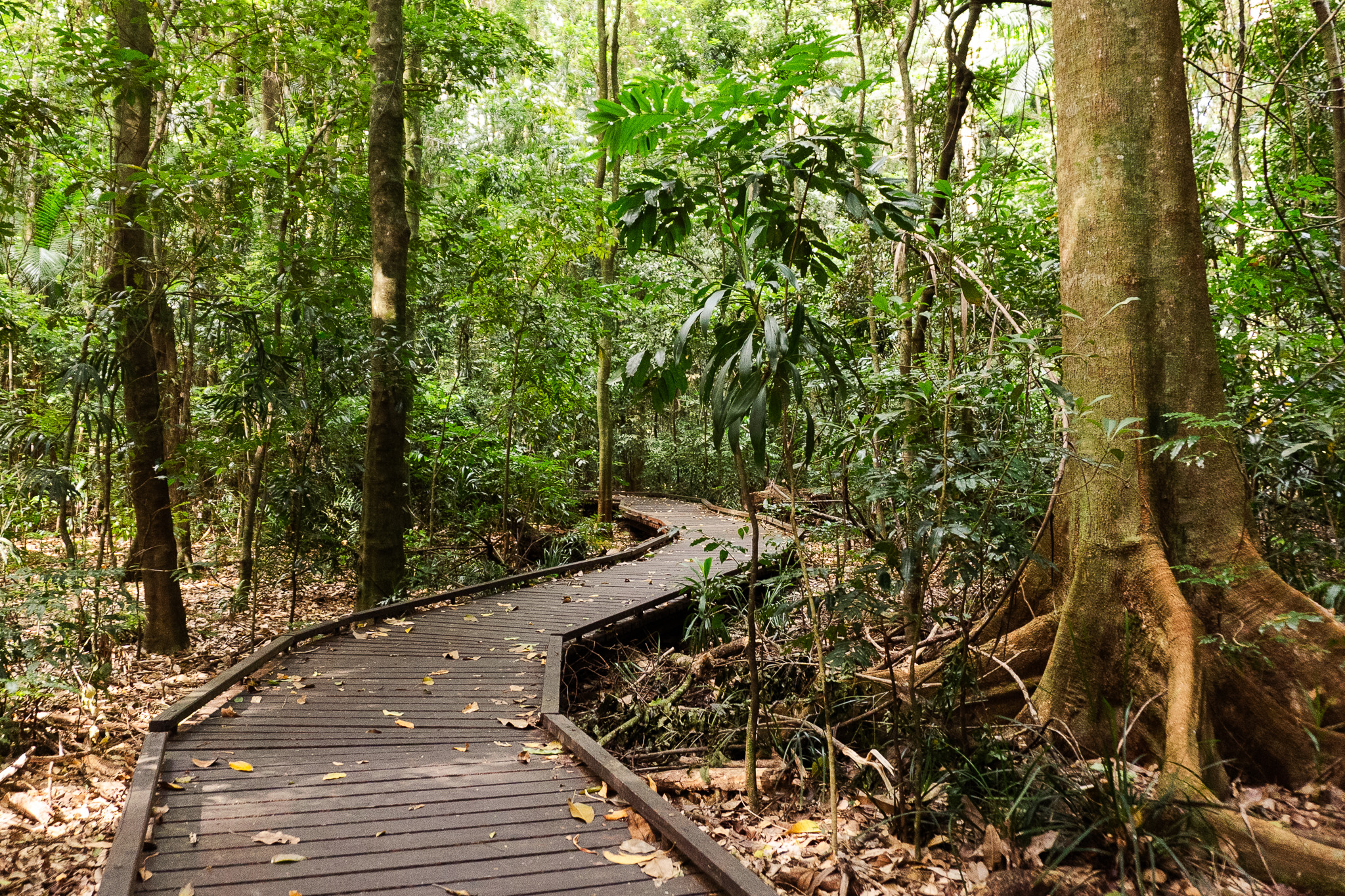
As I reached the end of the road, the light shifted — softening as the canopy closed overhead. I rolled to a halt and stepped out. A campervan was already parked up. Definitely not a bad spot for them, I thought. The twinkling green and the cacophony of birdsong drew me toward the boardwalk which stretched ahead, quiet and inviting, as if the forest itself was asking for something simple:
Slow down.
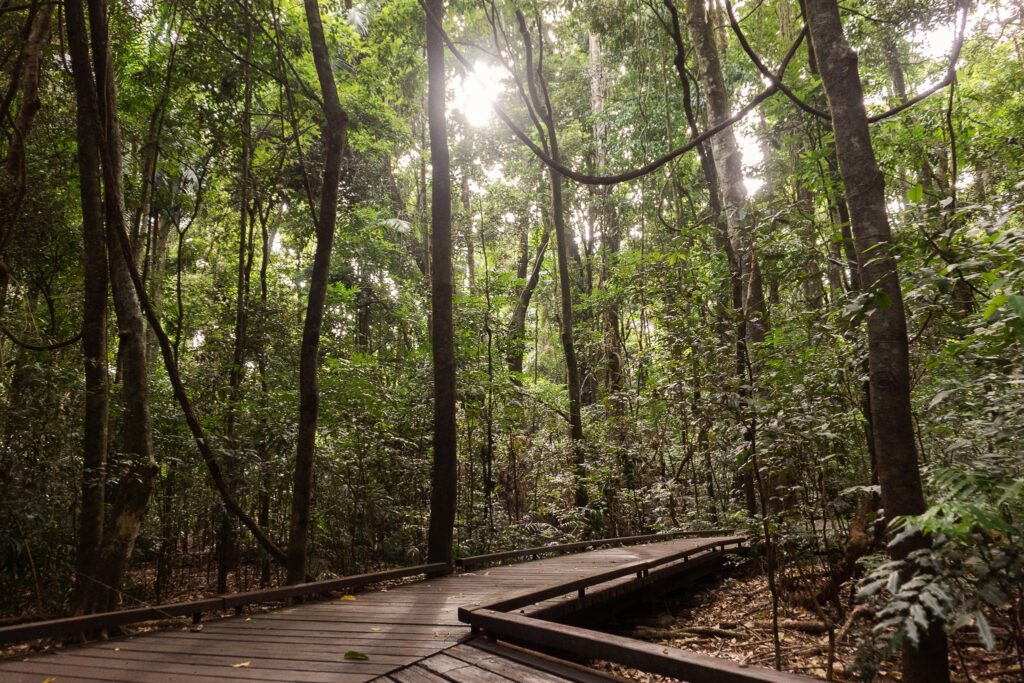
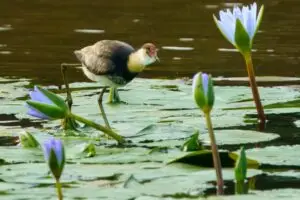
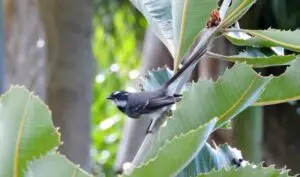
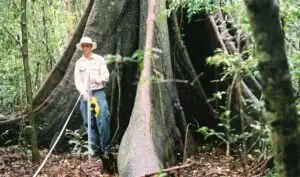
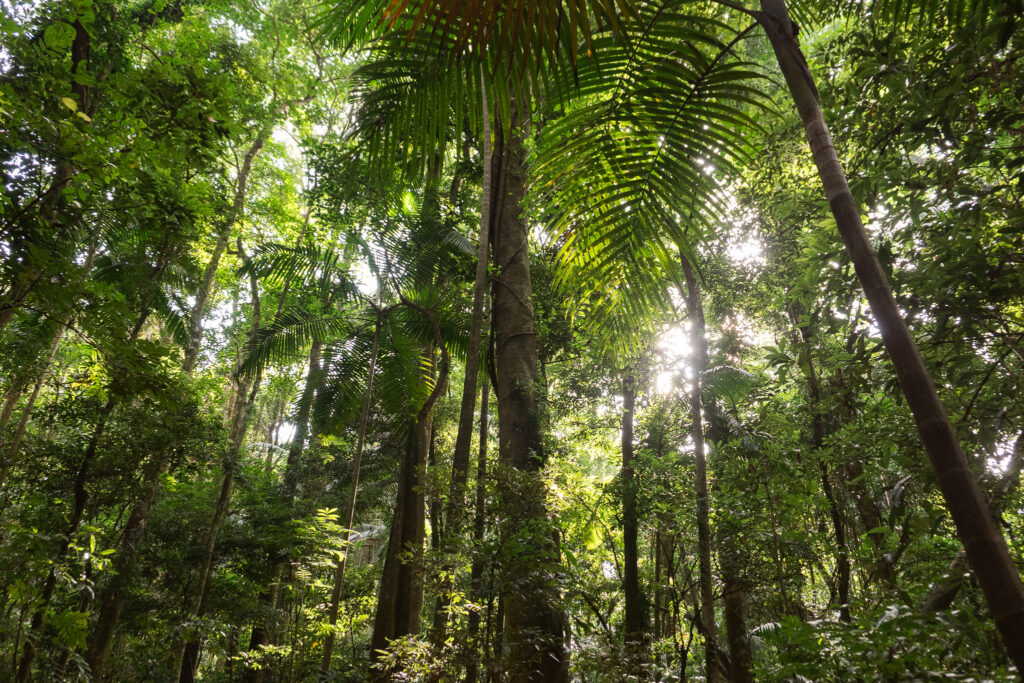
Victoria Park represents one of the last surviving remnants of the original Big Scrub rainforest. To step onto the boardwalk is to step into what remains of that ancient world. Strangler figs with their muscular buttresses. Towering black beans. The sting of the giant stinging tree. The flash of a wompoo fruit-dove overhead. Catbirds calling from the canopy. Vines looping skyward in search of light.
If timing and luck align, the forest offers more: the soft rustle of a red-legged pademelon at the edge of the track, the prehistoric stillness of a land mullet basking, the electric flicker of a noisy pitta on the forest floor. Fireflies at dusk. Luminous fungi after rain.
The reserve is also a place of deep cultural significance. Interpretive displays share how the Widjabul people of the Bundjalung Nation relied on these forests for food, medicine and ceremony — a living relationship with Country that long predates the boardwalk and picnic tables of course.
And people have been gathering here for well over a century. Newspaper reports from the early 1900s describe schoolchildren arriving by procession, picnics spread across the green, fireworks at dusk, and visits to the giant fig — a tree of “astounding dimensions,” once measured at 123 feet in girth and 153 feet in height. So large, legend insisted Captain Cook himself saw it from the sea. Local historian Ken Dorey went through the archives and couldn’t confirm this sighting for us, however. Storm damage in 1970 led to its decline, but its memory still anchors the place.
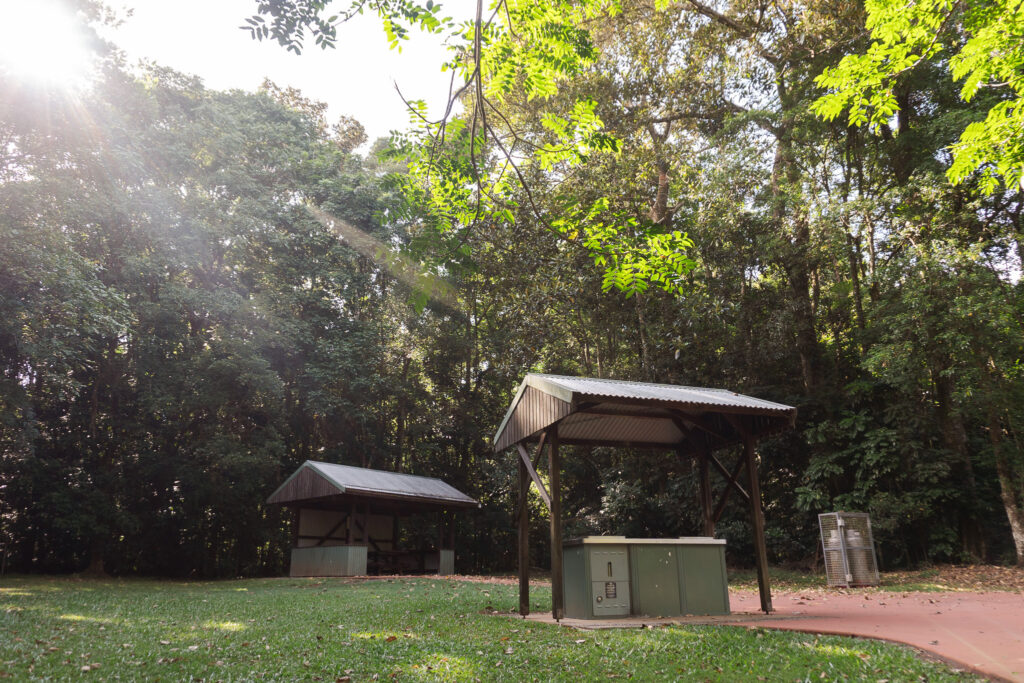
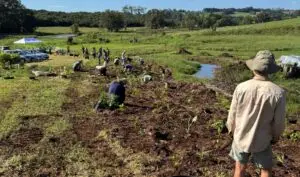
Restoration, too, has shaped Victoria Park’s more recent history. The core of the remnant has always been in good condition and most of the work was needed to tackle lantana encroaching on the edges. Like most restoration stories, the efforts at Vic Park started around the 60s and 70s by uncoordinated conservation enthusiasts and naturalist clubs. In the 80s, our very own BSRC committee member, Mike Delaney, entered the scene working on contract and eventually started working with Envite Environment, with funding from NPWS.
The care of remnants is a core pillar of the Conservancy’s mission, recognising that these fragments of original landscape hold irreplaceable ecological memory—harbouring biodiversity, sustaining vital ecosystem processes, and anchoring restoration efforts in the integrity of what still endures.
I stepped back into the car feeling noticeably more present than when I arrived.
And I wasn’t even late for work.
Photography courtesy of Babette Weatherell