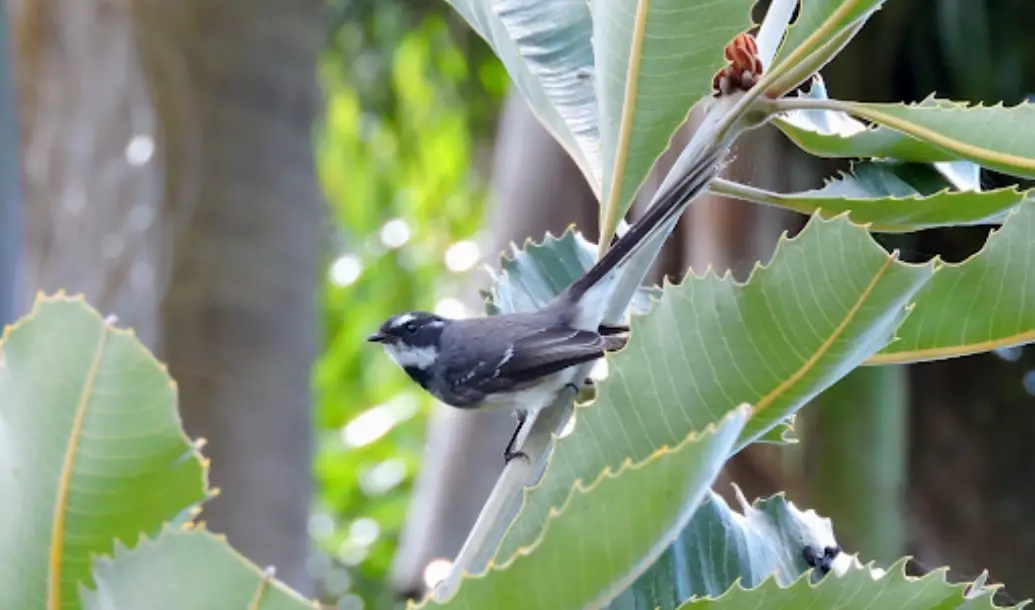
Words: Georgia Beyer | Photos: David Milledge & Georgia Beyer.
Birds of a feather flock together, so the saying goes. But sometimes different species form mixed flocks, known as foraging assemblages.
With our acoustic and visual bird monitoring surveys now well underway, we’ve been witnessing some interesting and colourful mixes of birds moving together through the rainforest. Some of the combinations we’ve seen include Rufous Fantails hot on the heels of Yellow-throated Scrubwrens; and White-browed Scrubwrens, Large-billed Scrubwrens, Silvereyes, and Brown Thornbills, all busily feeding together.
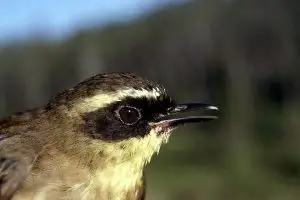
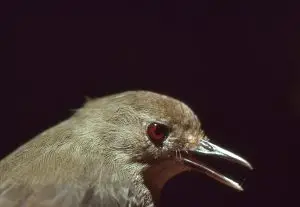
Left: Yellow-throated Scrubwren. Right: Large-billed Scrubwren. Photos: David Milledge.
Last week at a planted rainforest site there was an eye-catching group of two Golden Whistlers, a Lewin’s Honeyeater, Rufous and Grey Fantails, a Large-billed Scrubwren and a Brown Thornbill together with a small group of Red-browed Finches.
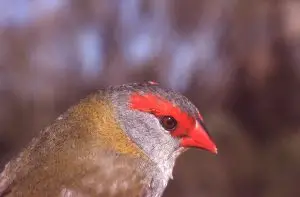
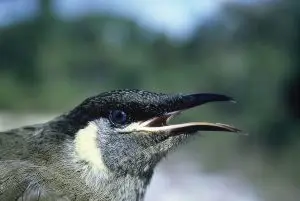
Left: Red-browed Finch. Right: Lewin’s Honeyeater. Photos: David Milledge.
A feeding party sounds like fun, and maybe they do enjoy being together (fantails always look like they’re enjoying the party), but it’s probably more about the food and also perhaps strength in numbers providing protection from predation.
One example of a feeding party we’ve recently seen using the different forest layers together was a pair of Brown Thornbills flitting around the outer branches of the mid-storey looking for insects, a Large-billed Scrubwren also searching for insects on adjacent trunks and inner branches, a White-browed Scrubwren moving through the ground layer and leaf litter with a Rufous Fantail moving back and forth between the scrubwrens snatching any insects that were disturbed.
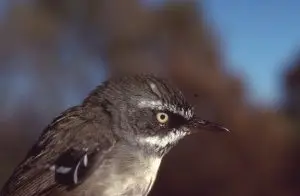
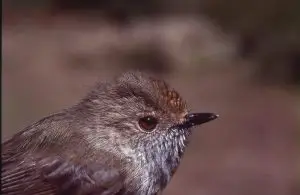
Left: White-browed Scrubwren. Right: Brown Thornbill. Photos: David Milledge.
Further away an Eastern Yellow Robin was sitting watching for additional insects that had escaped the attention of the others. This was a typical example of what is known as resource partitioning, with different species using different microhabitats for food and others exhibiting commensal behaviour, benefitting from the insect flushing activity of the main group.
As mentioned above, these assemblages might also help by providing safety in numbers, with more eyes on the lookout for threats, allowing individuals to focus more on searching for food with predator vigilance shared.
So next time when you’re out exploring the spectacular forests of the Big Scrub, keep an eye out for a feeding party, particularly in the autumn and winter months when the breeding season has finished.
Our Bird Monitoring Project, led by leading wildlife ecologists David Milledge and Georgia Beyer, and supported by Rekindle Foundation, is monitoring bird vocalisations at 12 sites in the first known systematic bird study in the Big Scrub in almost four decades. Read more about the project here.